
Pterocymbium
Pterocymbium
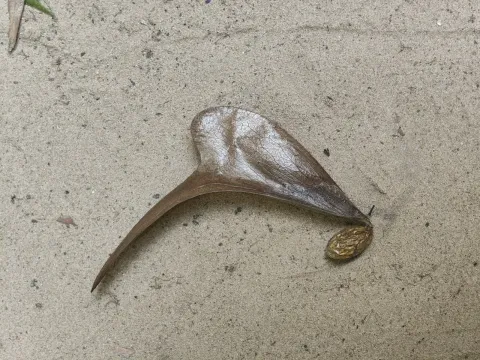
Pterocymbium is a genus of tropical trees belonging to the Malvaceae family. In their native habitats, these trees propagate through winged seeds dispersed by wind, which allows them to colonize gaps in the tropical canopy effectively.
What the section contains

Pterocymbium
For forestry purposes, seeds are collected immediately upon maturation, as they possess a high rate of decay and lose viability quickly. Planting is carried out in specialized nursery beds using well-aerated substrates to promote vigorous root development during the initial growth stage.
The optimal time for transplanting seedlings into the field is at the onset of the rainy season. This timing ensures that the soil moisture levels are adequate to support the young trees until they establish a robust root system capable of withstanding potential dry spells.
Agricultural techniques for Pterocymbium focus on achieving high stand density to encourage straight trunk formation. By managing the spacing between individual trees, foresters can minimize branching and ensure that the maximum amount of energy is directed towards vertical biomass growth.
Young plants require careful management regarding light exposure. Providing partial shade during the first two years of development prevents scorching and promotes steady, healthy growth, which is essential for the long-term productivity of the forest stand.
This crop is highly adapted to humid tropical climates and thrives in areas with consistently high temperatures. It is sensitive to thermal fluctuations, making it unsuitable for regions where the temperature frequently drops below the comfortable tropical range.
Soil requirements for Pterocymbium are specific; it prefers deep, fertile, and well-drained soils. Waterlogged conditions are detrimental to the root system and must be avoided to prevent root rot and stunted growth, which can significantly affect the commercial quality of the timber.
High relative humidity is a critical requirement for optimal photosynthesis and transpiration. In areas with significant seasonal dryness, the trees may enter a dormant phase, which leads to slower wood accumulation and a potential reduction in the quality of the timber fibers.
Sunlight exposure should be managed according to the age of the tree. While seedlings benefit from canopy cover, mature Pterocymbium trees are light-demanding and require full solar exposure to maintain the metabolic rate necessary for producing dense and uniform wood structure.
The topography of the planting site influences growth rates significantly. Sloping terrain with good natural drainage is often preferred over flat, low-lying ground, as it ensures better oxygen availability for the roots and contributes to a stronger, more resilient tree.
The primary economic output of Pterocymbium cultivation is its lightweight timber. This wood is highly valued in the production of plywood, crates, and specialized lightweight construction materials due to its uniform grain and ease of mechanical processing.
Yields are typically measured by the volume of usable timber harvested after a rotation period of 20 to 30 years. Proper management and thinning practices can significantly increase the total harvest volume per hectare, enhancing the profitability of the forestry operation.
Product quality depends on the straightness of the bole and the absence of knots. By practicing systematic pruning of lower branches in the early years, foresters can maximize the amount of high-grade clear wood, which commands a premium price in the timber market.
In addition to timber, the bark of Pterocymbium has historically been used for fiber extraction. While secondary to wood production, this creates additional value and aligns with a more holistic approach to utilizing all parts of the harvested tree.
Yield optimization is also achieved through the careful selection of superior genotypes. Breeding programs that focus on fast growth and disease resistance are crucial for modern plantations, as they allow for shorter harvest cycles without compromising the physical properties of the wood.
Fungal pathogens represent the most significant threat to Pterocymbium plantations, especially in high-humidity zones where spores can spread rapidly. Good forest hygiene, including the removal of dead or infected debris, is vital for managing these disease risks.
Boring insects can infiltrate the trunks of growing trees, causing internal damage that renders the timber unsuitable for high-grade use. Regular monitoring and the maintenance of diverse tree species within the forest help to minimize the incidence of pest outbreaks.
Environmental threats include intense tropical cyclones, which can cause severe mechanical damage. Given the softer nature of Pterocymbium wood, selecting planting sites with wind protection and ensuring trees are well-rooted are key mitigation strategies.
Soil nutrient imbalances can predispose trees to secondary infections. Excessive nitrogen application without proper soil testing can lead to rapid but structurally weak growth, which increases the risk of damage during storms and makes the trees more attractive to sap-sucking pests.
Weed competition during the establishment phase is a major challenge. Fast-growing vines and shrubs can overtop young Pterocymbium, depriving them of light and nutrients. Mechanical or chemical weed control is necessary to ensure the trees maintain their lead in the successional timeline.
Harvesting techniques for Pterocymbium are designed to maximize recovery while minimizing disturbance to the forest ecosystem. The process usually involves precise felling and immediate log processing to prevent degradation from wood-staining fungi.
The best time for harvesting is during the driest season of the year. This ensures that the timber is less susceptible to fungal attacks during the transport phase and makes the logistics of moving heavy logs out of the forest much more manageable.
Modern forestry utilizes mechanized harvesters and skidders that increase efficiency and worker safety. These machines are calibrated to ensure the timber is cut at the optimal length to reduce waste and satisfy the specific requirements of the downstream manufacturing sector.
Post-harvest management is as important as the harvesting itself. Proper scaling and sorting of logs based on size and grade are essential steps in ensuring that each piece of timber reaches the market where its specific properties are most valued.
Finally, sustainability is a key focus during harvest. Leaving residue on the forest floor provides organic matter that replenishes soil nutrients for the next generation of growth, demonstrating responsible stewardship of the land while maintaining continuous productivity.