
Pterospermum elongatum
Pterospermum elongatum
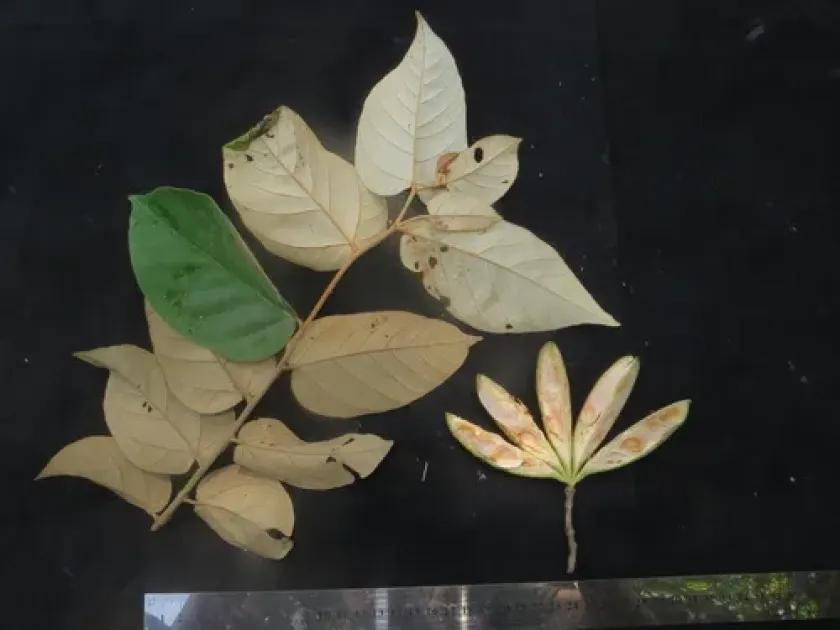
Description
Growing requirements
Pterospermum elongatum belongs to the Malvaceae family and represents a significant tropical tree species. It is naturally adapted to regions with consistent high temperatures and high precipitation levels, typical of tropical rainforest ecosystems.
This species thrives in nutrient-rich, deep soils that ensure adequate water retention while maintaining essential drainage properties. It is highly sensitive to waterlogging, which necessitates careful site selection during the plantation establishment phase.
Botanically, the tree is recognized for its elongated leaves and distinct floral structures characteristic of the Pterospermum genus. The tree possesses a robust root system capable of anchoring it against environmental stressors in its native range.
Agricultural management requires providing ample light for individual trees, as they tend to grow taller when competing for canopy space. Proper spacing is essential to ensure maximum photosynthetic efficiency and uniform growth patterns across the stand.
The economic value of Pterospermum elongatum lies primarily in its timber production. The wood is utilized for various construction and carpentry purposes, valued for its durability and aesthetic properties in local markets.
Main diseases and pests
Common threats to this species include fungal infections that manifest during prolonged humid weather. These pathogens can affect the bark and young shoots if circulation within the plantation canopy is insufficient.
Insect pests, specifically leaf-eating beetles and larvae, represent a significant management challenge. Regular inspections are required to detect early infestations and mitigate potential leaf mass loss that could stunt growth.
Preventative forestry practices include maintaining a clean environment around the base of the trees to reduce habitat availability for potential pests. Proper nutrient management also helps trees recover from minor mechanical or biological injuries.
In addition to biological threats, extreme weather events like cyclones or severe storms pose risks to mature tree stands. Establishing windbreaks or selecting sheltered plantation sites is a recommended long-term strategy.
Successful cultivation relies on the implementation of integrated pest management (IPM) protocols. These protocols prioritize sustainable interventions to keep tree populations healthy without over-reliance on intensive chemical applications.