
Pterospermum diversifolium
Pterospermum diversifolium
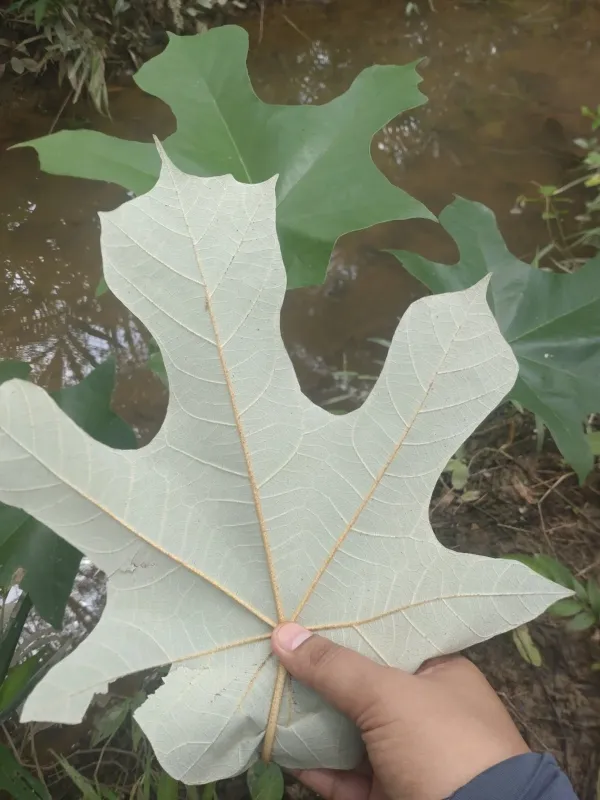
Description
Sowing dates
Pterospermum diversifolium is primarily propagated from seeds collected from mature trees. Sowing is best timed to coincide with the onset of the rainy season to ensure optimal moisture for germination and early seedling growth.
Seeds should be sown in a well-draining nursery mix rich in organic matter. A depth of 1–2 cm is generally recommended to provide sufficient protection while allowing the plumule to emerge quickly under warm conditions.
Pre-treatment of seeds, such as soaking in lukewarm water for 24 hours, can enhance germination uniformity. This is particularly beneficial in large-scale nursery operations where uniform growth is desired.
Seedlings are typically raised in containers until they reach a height of 30–50 cm. This phase allows for closer monitoring of nutrient levels and protects the young plants from weed competition in the field.
Transplanting to the permanent site is performed after the plants have hardened off. Careful handling of the root ball during planting is essential to avoid transplant shock and ensure successful establishment.
Growing requirements
As a member of the Malvaceae family, Pterospermum diversifolium thrives in tropical climates. It prefers areas with stable, warm temperatures typically ranging between 20°C and 30°C throughout the year.
The species requires deep, fertile, and well-draining soils. While it can adapt to various soil types, waterlogged conditions are detrimental and must be avoided to prevent root rot and anaerobic soil stress.
Adequate sunlight is crucial for this tree, especially as it matures. It exhibits a rapid growth rate when provided with full sun exposure, which is necessary for the development of a strong, healthy trunk.
Water requirements are relatively high, with the species performing best in regions receiving 1500 mm or more of annual rainfall. Irrigation is often necessary in plantations during prolonged dry seasons.
Wind protection is an important consideration for young plantations. Selecting sites that are sheltered from prevailing strong winds helps maintain the structural integrity and straightness of the tree trunks.
Yield
The economic value of Pterospermum diversifolium is primarily derived from its timber. The wood is recognized for its structural versatility and is suitable for furniture making, cabinetry, and interior finishing.
Rotation cycles for timber production typically span 15 to 20 years. Proper forest management, including thinning and pruning, is essential to maximize the volume and quality of the harvestable timber.
Beyond wood production, the tree serves a multifunctional role in agroforestry. Its leaves contribute to soil organic matter content, enhancing the fertility of the underlying soil over time.
The bark of the tree contains fibrous material that has been historically utilized for cordage. While this is a secondary use, it adds to the overall economic utility of the species in rural settings.
Future projections suggest that sustainable management of this species could lead to higher yields per hectare through the application of advanced silvicultural techniques and optimized nutrient regimes.
Main diseases and pests
The primary threats to Pterospermum diversifolium include various fungal pathogens that flourish in high-humidity environments. These infections can impact both the root system and the canopy, reducing tree vigor.
Insect pests, particularly wood-boring beetles and defoliating caterpillars, pose a significant risk. Periodic monitoring is required to detect early signs of infestation before it spreads throughout the plantation.
Sanitation is a critical component of disease control. Removing and destroying heavily infested branches helps in limiting the spread of spores and pests within the plantation area.
Balanced planting density is recommended to ensure adequate air circulation. Good ventilation helps keep foliage dry, which is a simple yet effective way to suppress the development of many leaf-spot fungi.
Integrated Pest Management (IPM) practices, emphasizing biological controls and habitat management, are preferred over the frequent application of chemicals to maintain the ecological health of the site.