
Poplar-leaved cotton
Gossypium populifolium
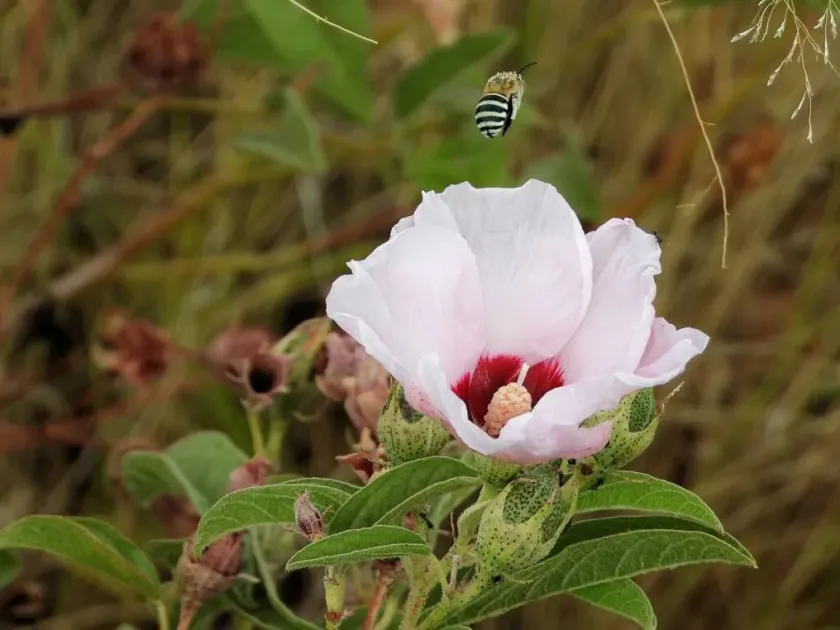
Description
Growing requirements
Gossypium populifolium, commonly known as poplar-leaved cotton, is a wild species of the Malvaceae family native to Western Australia. It is botanically distinct from commercial cotton species due to its unique leaf morphology and adaptation to arid environments.
The plant thrives in regions with low and unpredictable rainfall. It has developed specific physiological adaptations that allow it to withstand prolonged drought, making it an object of study for breeding programs aiming to improve crop resilience.
Cultivation requires well-drained, sandy or gravelly soil types. The plant is sensitive to waterlogging, which can cause root rot and physiological stress, thus requiring sites with excellent soil structure and aeration properties.
Temperature requirements are stringent, favoring hot, dry conditions with a high number of growing degree days. Consistent heat is essential for the transition from the vegetative stage to the flowering and capsule development phases.
Agrotechnical management is primarily focused on preserving the genetic integrity of the species. Unlike cultivated varieties, this cotton species does not require intensive fertilization, as it is adapted to nutrient-poor soils in its natural habitat.
Main diseases and pests
Pests such as bollworms represent a significant threat to the reproductive stages of the plant. These insects feed on developing buds and capsules, drastically reducing the potential for successful seed production.
Aphids and whiteflies act as major vectors for various viral diseases in this species. Infestations typically occur during periods of high humidity, leading to leaf curling and a reduction in the plant's overall photosynthetic capacity.
Fungal pathogens, particularly those causing Fusarium wilt, thrive in poorly drained environments. The fungus invades the vascular system of the plant, leading to wilting and gradual necrosis of the foliage and stem.
Damping-off disease is a common risk for seedlings under unstable moisture conditions. Ensuring that the soil surface remains relatively dry after germination is a critical measure to prevent the development of damping-off fungi.
Integrated pest management strategies are recommended to maintain the health of these plants. This includes utilizing biological controls and maintaining adequate spacing to promote airflow and minimize the spread of moisture-loving pathogens.