
Pterospermum javanicum
Pterospermum javanicum
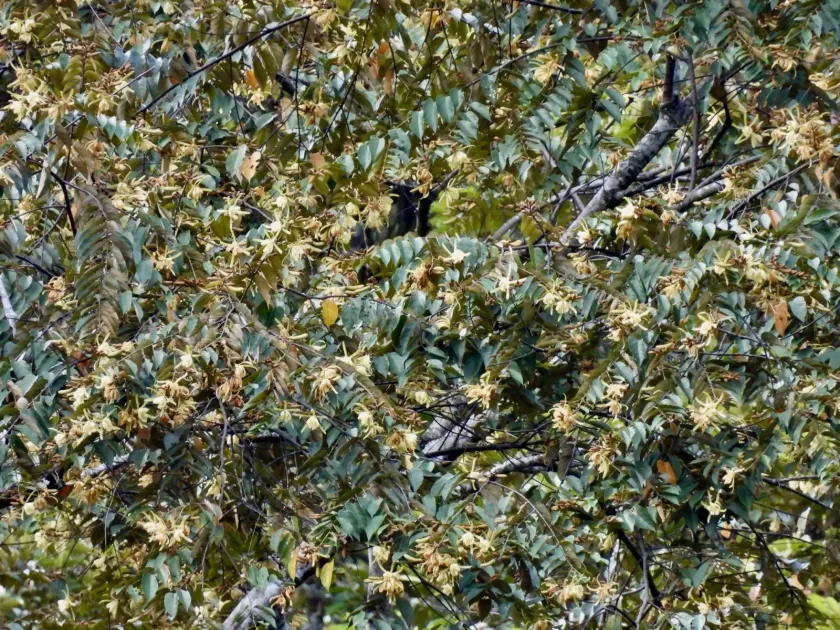
Description
Growing requirements
Pterospermum javanicum is a fast-growing tree species belonging to the Malvaceae family. It is known for its ability to reach considerable heights in a short period, making it a valuable subject for reforestation and commercial plantation forestry in tropical regions.
The native habitat of this species includes the humid tropical forests of Southeast Asia. It thrives in environments with consistent high temperatures and substantial rainfall, demonstrating high adaptability to different secondary forest conditions.
Requirements for successful cultivation include well-draining soils with high organic content. The tree is intolerant of waterlogged conditions, which can lead to root system decay; therefore, site selection with proper elevation or drainage infrastructure is essential.
Agrotechnical management involves regular thinning of stands to ensure each tree receives optimal sunlight for photosynthesis. During the initial years, weed suppression is critical to prevent competition for soil nutrients and moisture in the plantation area.
The primary use of Pterospermum javanicum is timber production. Its wood is appreciated for its versatility in construction, plywood manufacturing, and furniture making, serving as a reliable economic asset in tropical forest management.
Main diseases and pests
Fungal diseases represent the most significant threat to Pterospermum javanicum, particularly under conditions of high humidity and poor ventilation. Root rot and foliage spots are the most common pathological issues affecting young and mature trees.
Insect pests, such as lepidopteran larvae, can cause significant defoliation, leading to reduced growth rates and timber quality. Regular monitoring for egg masses and early-stage larval activity is recommended for effective crop protection.
Site sanitation is an important practice to mitigate disease spread. Removing dead or infected branches and clearing leaf litter helps to reduce the concentration of pathogens within the forest stand.
Biological pest control methods, such as encouraging native predators, are preferred in plantation settings to maintain an ecological balance. Chemical interventions should be used sparingly and only when threshold damage levels are exceeded.
Proper nutrient management through balanced fertilization helps trees withstand environmental stress and enhances their natural defense mechanisms against common local pests. Ensuring healthy growth from the nursery stage is the best strategy for disease prevention.