
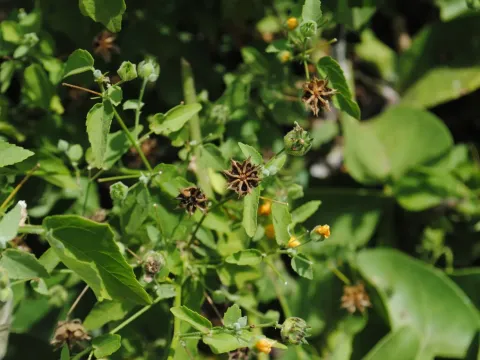
Pseudabutilon
Pseudabutilon
Pseudabutilon is a genus of plants belonging to the Malvaceae family. These species are native to tropical and subtropical regions of the Americas, thriving in diverse ecological niches ranging from open savannahs to woodland edges.
What the section contains


Pseudabutilon
The plant requires full sun exposure to maintain vigorous growth and produce quality biomass. Soil preferences include well-draining, moderately fertile substrates, as the species is highly sensitive to root asphyxiation caused by waterlogged soils.
Climatic requirements are strictly tropical, necessitating warm temperatures throughout the growing cycle. Pseudabutilon cannot survive frost, which limits its cultivation potential to tropical zones or strictly controlled greenhouse environments in temperate regions.
Botanical characteristics of Pseudabutilon include alternate leaves, often with serrated margins, and distinctive flowers typical of the mallow family. The plant's architecture supports significant development of fibrous stems, which is a key focus of its agricultural research.
From an agronomic perspective, proper spacing is essential to ensure adequate airflow and light penetration, which are vital for reducing the risk of fungal infections and supporting the structural integrity of the stems during the maturation phase.
Pseudabutilon is susceptible to common Malvaceae pests, including spider mites that flourish in dry and hot conditions. These pests can rapidly infest the foliage, causing significant physiological stress and reducing overall plant productivity.
Aphids represent another major threat, frequently targeting new shoots and stems. Their feeding behavior results in the curling of leaves and can facilitate the transmission of viral pathogens, which are difficult to manage once established in a plot.
Powdery mildew is the most prevalent fungal disease affecting this crop. It presents as a white, dusty layer on the leaf surface, which restricts photosynthesis and requires the application of fungicides to prevent widespread yield loss.
Root rot, caused by pathogens like Pythium or Phytophthora, is a critical risk associated with poor irrigation management. Maintaining strict control over soil moisture levels is the primary method for mitigating this threat.
Effective crop protection strategies should incorporate integrated pest management (IPM) techniques, including the use of resistant varieties, consistent crop monitoring, and balanced nutritional programs to keep plants resilient against potential outbreaks.