
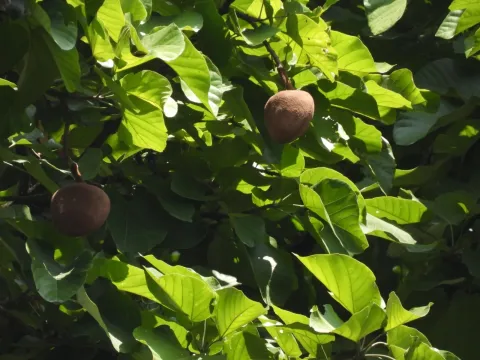
Pterygota
Pterygota
Pterygota is a genus of large tropical trees belonging to the Malvaceae family. These majestic trees are primarily native to tropical regions of Africa, Asia, and the Americas, where they thrive in lush, humid environments.
What the section contains


Pterygota
The cultivation of Pterygota requires a climate with consistent high temperatures throughout the year. They are strictly tropical species and cannot survive in frost-prone or arid areas.
Regarding soil requirements, these trees demand deep, fertile, and well-drained soil. They are highly sensitive to waterlogging, which can cause root decay and inhibit development.
In terms of management, young Pterygota plants benefit from partial shade during their early growth stages, transitioning to full sun exposure as they mature into forest canopy trees.
Providing adequate spacing during plantation is essential, as these trees can grow quite wide, necessitating sufficient room for canopy expansion and root development.
The primary economic value of Pterygota lies in its timber production. The wood is widely utilized in furniture manufacturing, cabinetry, and interior construction due to its favorable properties.
The harvest cycle is long-term, reflecting the slow growth rate typical of many tropical hardwoods. Sustainable forestry practices are essential to ensure the longevity of the stands.
Harvesting involves selective logging techniques, which help maintain the balance of the forest ecosystem and allow younger cohorts to regenerate naturally after mature trees are removed.
Post-harvest treatment of the timber requires careful air and kiln drying. This step is critical to prevent warping and to ensure the stability of the wood for industrial applications.
Beyond timber, Pterygota trees play a vital role in tropical reforestation projects, as they help restore biodiversity and stabilize soil structure in degraded habitats.