
Pterospermum xylocarpum
Pterospermum xylocarpum
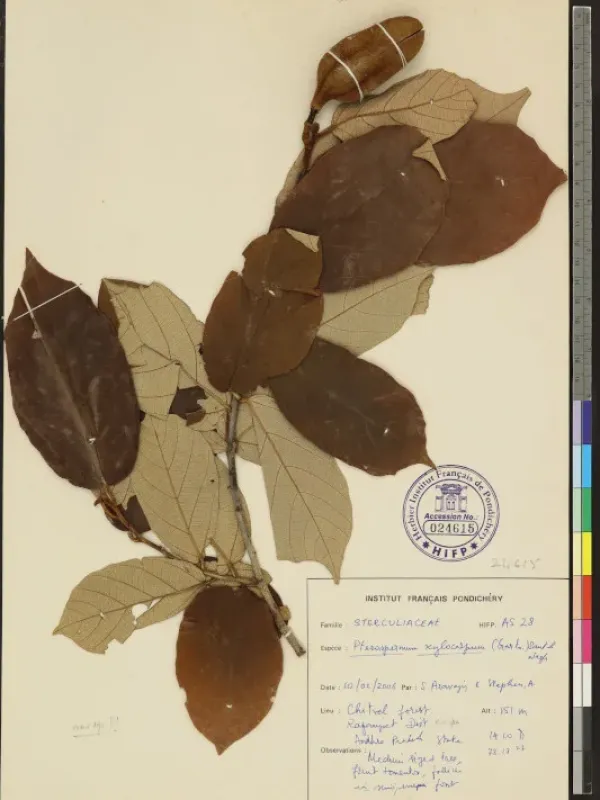
Description
Growing requirements
Pterospermum xylocarpum is a species of tropical woody plants belonging to the Malvaceae family. It is native to the tropical regions of Southeast Asia, thriving in environments characterized by high humidity and consistent warmth throughout the entire calendar year.
The cultivation of this species requires deep, well-drained alluvial soils that provide sufficient nutrients for rapid biomass development. It is highly sensitive to waterlogging, which necessitates careful site selection to ensure adequate soil aeration for the root system.
Regarding climate, the plant requires a tropical environment with high average temperatures and significant rainfall. It is not adapted to cold climates, and frost exposure can be lethal to young saplings, limiting its productive range to tropical forestry zones.
Agricultural management involves monitoring growth rates and maintaining optimal density in plantations. Proper spacing allows for sufficient sunlight penetration, which is vital for the development of the main stem and the overall structural integrity of the timber produced.
The primary economic value of Pterospermum xylocarpum lies in its high-quality, durable wood. This material is widely sought after for furniture manufacturing, construction, and high-end cabinetry, contributing to its status as a significant forestry resource.
Main diseases and pests
The species faces various threats from fungal pathogens, particularly root rot, which typically emerges in poorly drained soils. Managing soil moisture is the most effective preventative measure against such soil-borne diseases that can devastate forest stands.
Leaf-eating insects can cause significant defoliation during the peak growing season. Large infestations of larvae may weaken the tree's health, leading to diminished growth rates and increased susceptibility to secondary environmental stressors.
Fungal infections causing leaf spots are frequent in dense, humid plantations. These diseases spread easily when airflow between trees is insufficient, necessitating regular thinning and sanitation procedures to maintain the health of the entire forest plot.
Monitoring programs are essential for early detection of pest and disease outbreaks. Forestry management teams often utilize integrated pest management strategies, focusing on biological control and maintaining forest hygiene to minimize the need for chemical intervention.
Sustainable maintenance includes pruning diseased branches and clearing debris from the forest floor. By reducing the reservoir of potential pathogens, managers can significantly improve the longevity and productivity of the Pterospermum xylocarpum plantations.