
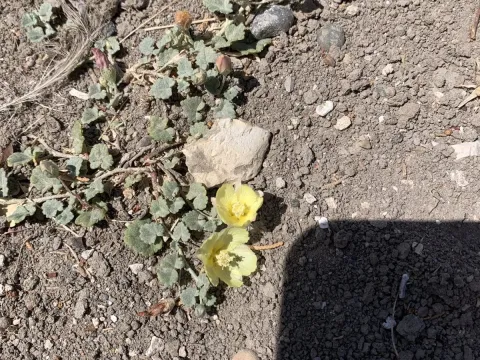
Malvella
Malvella
Malvella is a genus of perennial herbs belonging to the Malvaceae family. While often viewed as a persistent weed in agricultural settings, understanding its lifecycle is crucial for effective land management and sustainable farming practices.
What the section contains


Malvella
The germination phase of Malvella typically begins in mid-spring when soil temperatures consistently reach 10-12 degrees Celsius. Adequate moisture in the topsoil is essential for the activation of the seeds dormant in the soil bank.
This plant exhibits a robust root system, allowing it to penetrate deep into the soil profile. This feature makes Malvella highly resilient to environmental stressors, especially in competition with seasonal agricultural crops.
Propagation is primarily achieved through seeds, which can remain viable in the soil for several years. Additionally, the plant utilizes vegetative reproduction via root fragments, making mechanical tillage a complex task.
In agricultural practice, Malvella is often treated as a competitor for nutrients and water. Identifying its growth stages is vital for timing control measures to prevent yield losses in primary crops.
Malvella thrives in a wide range of soil types, including fertile loams and even saline conditions. Its versatility allows it to colonize diverse environments, from well-drained fields to heavy clay soils.
As a light-loving plant, Malvella exhibits the most vigorous growth in open spaces with minimal canopy coverage. Reduced sunlight significantly limits its ability to reach full maturity and produce seed.
The species is exceptionally drought-tolerant, surviving extended periods of high heat and low water availability. This adaptation makes it a formidable competitor in arid and semi-arid cropping regions.
Soil pH preference ranges from neutral to slightly alkaline. Highly acidic soils generally inhibit its development, which can be leveraged as an agronomic strategy in specific management systems.
Proper nutrient management of the primary crop is essential. Over-fertilization can inadvertently stimulate the rapid growth of Malvella, necessitating precision application to maintain crop dominance.
The primary diseases affecting Malvella include rust and various forms of powdery mildew. These fungal pathogens typically appear during humid conditions, reducing the plant's overall vigor and photosynthetic capacity.
Insects such as aphids and spider mites are common pests that feed on Malvella foliage. By extracting plant sap, these pests stress the plant and can lead to stunted growth or premature wilting.
Seed-feeding weevils play a role in natural control by consuming developing seeds. This biological interaction can help mitigate the spread of Malvella populations in undisturbed areas or along field margins.
Chemical control usually involves the application of systemic herbicides. Because of the deep root system, contact herbicides often fail to provide complete eradication, requiring repeated treatments.
Integrated pest management (IPM) for Malvella emphasizes cultural practices, such as deep plowing and timely cultivation, to disrupt the root systems and reduce the viability of the weed bank in the field.