
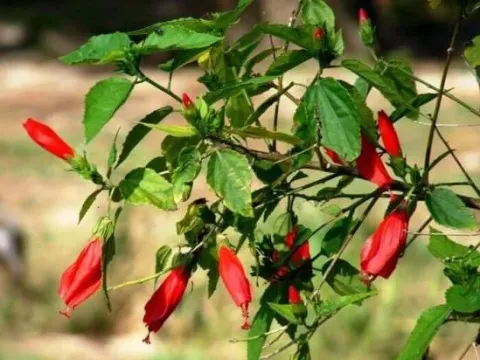
Malvaviscus sepium
Malvaviscus sepium
Malvaviscus sepium is a woody, evergreen shrub belonging to the Malvaceae family. Native to tropical regions of the Americas, this species is highly valued for its dense foliage and unique floral structure, making it a staple in tropical landscaping and botanical collections.
What the section contains
Malvaviscus sepium
The plant thrives in well-drained, fertile soil with a slightly acidic to neutral pH. It is essential to ensure that the planting site has an effective drainage system, as Malvaviscus species are prone to root rot when exposed to waterlogged soil conditions for extended periods.
Climatically, it is a frost-sensitive plant that requires warmth for vigorous growth. It performs best in temperatures ranging from 20 to 28 degrees Celsius. In cooler climates, it is typically managed as a container plant that can be moved indoors or into a greenhouse during the winter season.
Regarding light requirements, the shrub prefers full sun to partial shade. In intense tropical heat, some afternoon shade is beneficial to prevent leaf scorch and preserve the vibrancy of the foliage. Proper light exposure is directly linked to the density of the shrub and its blooming potential.
Agrotechnical maintenance includes regular pruning to manage its shape and size. Pruning is best performed during the onset of the growing season, which encourages the development of new, healthy shoots. Fertilization with a balanced NPK fertilizer during the peak growing months significantly enhances plant vigor.
Powdery mildew is the most prevalent disease, especially in areas with poor ventilation or high humidity levels. Control involves improving air circulation around the canopy and applying appropriate fungicides as a preventive measure in high-risk environments.
Spider mites are a common pest, particularly in hot and dry climates. They typically infest the undersides of the leaves, causing discoloration and stippling. Regular misting and the application of horticultural oils or acaricides are effective ways to manage mite populations.
Aphids can cause significant damage to young, tender growth by extracting plant sap. If left untreated, severe infestations lead to curled leaves and stunted plant development. Biological control agents or systemic insecticides are recommended for effective population management.
Root pathogens, such as Phytophthora or Pythium, can affect the plant if irrigation practices are not strictly managed. Avoiding overwatering and ensuring a porous soil structure are the primary methods for preventing these serious soil-borne infections.
Whiteflies are also known to plague this shrub, thriving in the warm conditions preferred by the plant itself. Monitoring for yellowing leaves and the presence of sticky honeydew is crucial for early detection and targeted intervention with insecticidal soaps.