
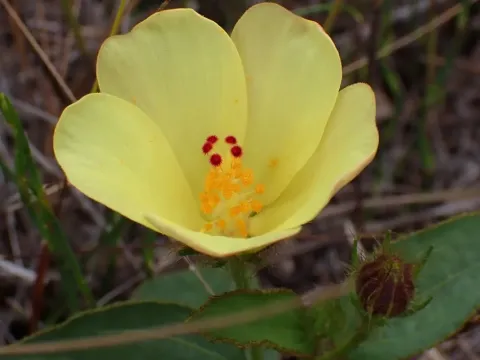
Ethiopian hibiscus
Hibiscus aethiopicus
Ethiopian hibiscus (Hibiscus aethiopicus) is a herbaceous perennial belonging to the Malvaceae family. Originating from the southern regions of Africa, this plant is characterized by its resilience to drought and its adaptation to harsh, arid environmental conditions.
What the section contains
Ethiopian hibiscus
The crop thrives in well-draining, rocky, or sandy soils. It requires full sun exposure for optimal growth and bloom production. In soil with poor drainage, the root system is highly susceptible to rot, making soil preparation a key agricultural requirement.
Regarding climate, the plant requires warm, subtropical conditions. It is not frost-hardy and must be protected during the winter months in regions experiencing freezing temperatures. Controlled environments are often preferred in non-native latitudes.
Agrotechnical care includes minimal but consistent watering, allowing the soil to dry out between applications. Fertilization should be limited, focusing on maintaining soil structure rather than promoting excessive vegetative growth, which can weaken the plant.
The primary use of Hibiscus aethiopicus is within botanical collections and landscaping in arid zones. It serves as an excellent model for studying xerophytic adaptations within the wider hibiscus genus.
Common pests include spider mites and aphids, which often infest the plant during prolonged periods of high heat and low humidity. Regular monitoring and appropriate pesticide application are necessary to maintain plant health.
Fungal diseases like root rot and leaf spots are usually the result of over-irrigation. Ensuring proper spacing and adequate air circulation around the canopy is essential for disease prevention in a nursery or garden setting.