
Florida linden
Tilia floridana
Description
Growing requirements
Florida linden (Tilia floridana) belongs to the Malvaceae family. It is a tree species native to the southeastern United States, often found in rich, moist soils of forest slopes and ravines. It is characterized by moderate growth rates and a spreading canopy structure.
The cultivation of this species requires well-drained, nutrient-rich soil with a balanced pH level. In its natural habitat, it thrives in environments that provide consistent moisture during the growing season while avoiding stagnant water, which can lead to root system decay in immature specimens.
From an agronomical perspective, Florida linden is best managed by ensuring regular mulching to preserve soil moisture and prevent competitive weed growth around the base of the trunk. Providing supplemental irrigation during prolonged dry spells significantly enhances the tree's health and aesthetic development.
The economic value of this tree is high, particularly for apiculture. Its fragrant flowers produce substantial amounts of high-quality nectar, making it a preferred choice for apiary sites. Additionally, it serves as a valuable ornamental tree in urban planning due to its pollution-tolerant foliage.
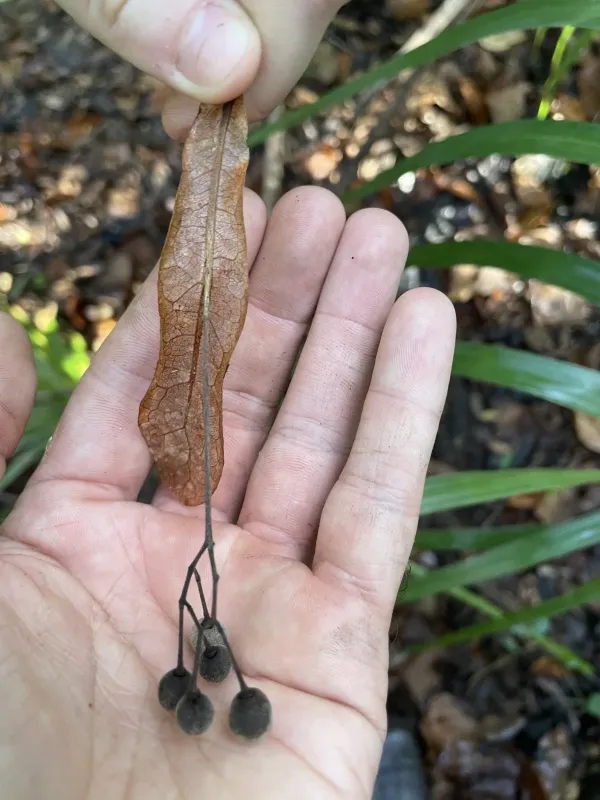
Botanically, Tilia floridana features cordate, serrated leaves and characteristic yellowish-white flowers arranged in clusters. The tree grows to a medium height and displays a rounded or ovate crown, which makes it an excellent choice for windbreaks or as a specimen tree in landscapes.
Main diseases and pests
Major threats to Florida linden include fungal pathogens such as leaf spot and verticillium wilt, which can weaken the tree's vigor. Maintaining good sanitation by removing fallen leaves and ensuring proper spacing between trees helps reduce the transmission of these fungal diseases.
Insects like aphids and linden borers are considered the most significant pests. Integrated pest management, including regular inspections and the use of targeted biological controls, is essential to protect the tree’s crown and prevent structural damage to the bark and branches.