
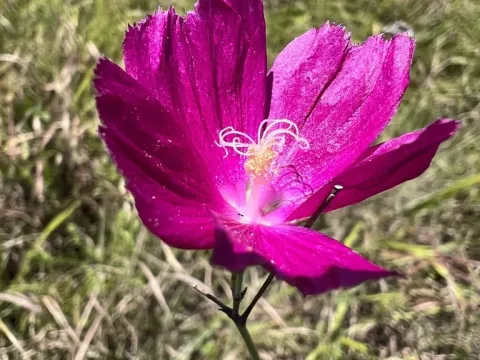
Finger poppy mallow
Callirhoe digitata
Sowing Callirhoe digitata, commonly known as finger poppy mallow, is most successful when performed in early spring. Because the seeds possess a hard, impervious seed coat, scarification or soaking in warm water for at least 24 hours is highly recommended to improve germination rates.
What the section contains
Finger poppy mallow
When starting indoors, seeds should be sown in a well-draining, sterile potting mix about six to eight weeks before the last frost date. Maintaining a temperature around 20 degrees Celsius and providing bright light is essential to prevent the seedlings from becoming leggy.
Transplanting to the permanent garden location should occur only after all danger of frost has passed. Plants require a spacing of at least 45 centimeters apart, as they develop significant root systems and spreading foliage that needs adequate airflow.
Direct sowing in the fall is an alternative method, allowing for natural stratification of the seeds during the winter months. This often results in more robust seedlings emerging in the spring, which are better acclimated to the local environment.
Ensuring the soil surface remains lightly covered with soil after sowing helps maintain the correct moisture level during the initial germination phase. Once established, these plants prefer to be left undisturbed due to their deep taproot nature.
Callirhoe digitata is a member of the Malvaceae family and is native to the prairies and rocky slopes of North America. Its botanical structure is adapted to harsh conditions, featuring deeply lobed, finger-like leaves and a robust taproot system.
The plant thrives in full sun exposure. In gardening practice, this means at least six to eight hours of direct sunlight daily. Providing less light will inevitably lead to sparse flowering and weak, elongated stems that require staking.
Regarding soil conditions, this plant is not overly demanding but insists on excellent drainage. It performs exceptionally well in sandy, rocky, or gravelly soils where water does not pool, making it an excellent candidate for xeriscaping or rock gardens.
While drought-tolerant once mature, young plants require consistent watering to establish their root systems. Once the taproot has penetrated deeply into the soil, the plant can withstand periods of significant drought without supplemental irrigation.
The species is hardy and capable of surviving cold winters. In areas with significant freeze-thaw cycles, applying a light layer of mulch around the base of the plant can help regulate soil temperature and prevent frost heaving.
The finger poppy mallow is relatively resistant to major pests and diseases if planted in appropriate conditions. However, the most frequent issue is powdery mildew, which typically appears during humid, stagnant weather conditions or in crowded garden beds.
Slugs and snails can be problematic for young, tender seedlings in the spring. Implementing physical barriers or using organic bait is often sufficient to manage their populations and prevent significant leaf damage.
Aphids might colonize the plant during the active growing season. If a significant infestation occurs, a simple jet of water or a mild insecticidal soap application is usually effective and safe for the plant's health.
Root rot is the primary physiological threat, usually caused by improper soil drainage or overwatering. Recognizing the symptoms, such as wilting despite moist soil, is crucial for timely intervention and potential salvage of the plant.
Maintenance practices such as removing dead foliage in the late autumn help reduce the overwintering sites for potential pathogens. Keeping the area around the base of the plant free of debris promotes better airflow and plant vigor.