
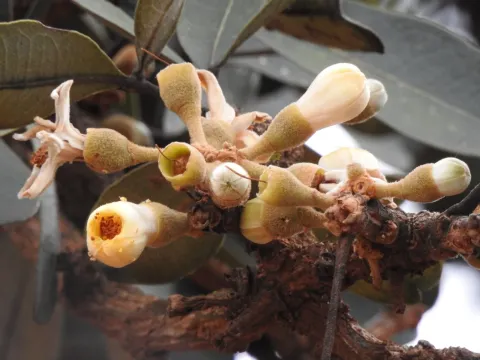
Eriotheca
Eriotheca
Eriotheca is a genus of tropical trees belonging to the Malvaceae family, subfamily Bombacoideae. Native to the Neotropics, these trees are often found in seasonal forests and exhibit significant adaptation to varying moisture levels within their natural habitats.
What the section contains


Eriotheca
The culture thrives in tropical environments, requiring consistent warmth and protection from frost. It is a heliophilic plant, meaning it needs full exposure to sunlight to develop a healthy, structural canopy and to stimulate reproductive processes.
Soil requirements for Eriotheca center on well-drained, nutrient-rich substrates. While the plant can tolerate various soil textures, it strictly avoids waterlogged conditions, making effective drainage systems essential for successful cultivation in controlled environments.
Agronomic practices for Eriotheca involve regular monitoring of moisture levels, particularly during the early stages of growth. While mature trees develop some drought tolerance, establishing proper watering schedules is critical during the vegetative growth phase.
The primary economic and agricultural uses of Eriotheca include timber production and ecological reforestation. Its wood is often utilized for local construction, while its aesthetic appeal makes it a candidate for urban forestry and tropical landscaping projects.
Fungal infections remain the most common threat to Eriotheca, particularly those affecting the foliage and trunk. High humidity levels without adequate air circulation often trigger leaf spot diseases that can hinder growth.
Root rot pathogens pose a significant risk, especially in heavy or poorly draining soils. If the soil remains saturated, the roots are susceptible to decay, leading to poor nutrient uptake and potential tree mortality.
Pests such as wood-boring beetles and various defoliating insects frequently target these trees. Constant surveillance is necessary to identify early signs of infestation and prevent structural damage to the stems and branches.
Nematodes can also impact young trees by damaging their root systems. Managing soil health and implementing crop rotation strategies in nurseries are effective ways to mitigate these underground threats before they affect the main plantation.
Integrated pest management (IPM) is recommended for large-scale production. This approach focuses on biological control, physical monitoring, and targeted applications of pesticides only when economic thresholds are exceeded, ensuring the long-term health of the trees.