
Fremontodendron
Fremontodendron Coville
Propagation of Fremontodendron is typically performed via seeds or semi-hardwood cuttings. Seeds should be sown in a well-draining, sandy medium during the early spring after undergoing scarification to break dormancy and ensure uniform germination.
What the section contains
Fremontodendron
Maintaining a consistent temperature between 18 and 22 degrees Celsius is crucial during the initial stages of seedling development. The potting mix must remain moist but not waterlogged, as seeds are prone to damping-off in overly damp environments.
For cutting propagation, semi-hardwood segments are taken in late summer. These cuttings are treated with a rooting hormone and placed in a humid environment with indirect light until a healthy root system develops, usually within several weeks.
Seedlings should be moved to individual containers as soon as they develop their first set of true leaves. Extreme care must be taken during transplantation, as the plant's roots are highly sensitive to disturbance and can easily break.
Hardening off the plants before planting them in their permanent location is essential. This process involves gradually increasing their exposure to sunlight and outdoor temperatures to reduce transplant shock and promote faster establishment.
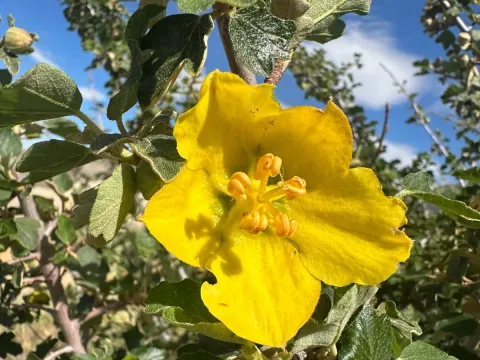
Fremontodendron, a member of the Malvaceae family, is a drought-tolerant evergreen shrub native to the arid regions of California and Mexico. It is widely cultivated for its vibrant, golden-yellow flowers that appear in late spring and early summer.
The plant requires full sun exposure to thrive and develop its characteristic dense habit. Shade should be avoided as it leads to sparse growth, weak stems, and a significant reduction in the number of flowers produced each season.
Soil requirements are strict: the medium must be highly porous, well-draining, and slightly alkaline. Heavy clay soils are unsuitable and will almost certainly lead to root rot; therefore, planting on slopes or mounded beds is recommended.
Watering frequency should be minimized once the shrub is established. The plant has evolved to survive in dry climates and can suffer severely from excess irrigation, which disrupts its natural metabolic balance and invites opportunistic diseases.
Minimal fertilization is required for this species. Providing excess nutrients often results in rapid, succulent growth that is susceptible to pests and winter damage, so it is better to maintain the plant in its natural, nutrient-poor soil condition.
Root rot, primarily caused by Phytophthora species, is the most common and devastating disease for Fremontodendron. It is directly linked to poor drainage and overwatering, which are the primary reasons for failure in home gardens.
Pests such as spider mites and mealybugs can pose a threat, particularly in hot and dry environments. Regular inspection of the foliage is recommended to catch infestations early before they significantly weaken the plant's structural integrity.
The leaves of the plant are covered in fine, irritating hairs that can cause skin rashes upon contact. This natural defense mechanism is effective against many pests, but it also necessitates the use of gloves and long sleeves during pruning.
Proper pruning practices are essential to prevent the spread of diseases. All cuts should be made cleanly and only during dry periods to ensure that the wounds dry quickly and do not become entry points for airborne fungal spores.
Good air circulation is the best preventive measure against most horticultural issues. By spacing plants appropriately and removing dead or diseased branches, gardeners can create an environment that discourages the buildup of pathogens.