
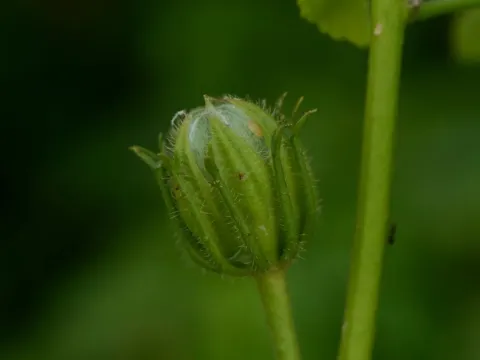
Forked hibiscus
Hibiscus bifurcatus
The forked hibiscus (Hibiscus bifurcatus) is a herbaceous perennial plant belonging to the Malvaceae family. Native primarily to South America, this species thrives in humid and tropical environments.
What the section contains
Forked hibiscus
This crop requires a warm climate for successful development. It is highly intolerant of frost, meaning it must be cultivated in protected environments such as greenhouses in non-tropical regions.
The ideal soil for this hibiscus is fertile, well-drained, and slightly acidic to neutral. High moisture retention is beneficial, but waterlogging must be avoided to prevent root diseases.
Botanically, Hibiscus bifurcatus is distinguished by its prickly stems and petioles. Its leaves are lobed, and the flowers exhibit a striking pink or mauve color with a darker, deep center.
While often grown for its ornamental value, the plant is also studied for its potential in fiber production, reflecting the typical economic importance of the Malvaceae family.
Typical pests affecting this hibiscus include aphids, spider mites, and whiteflies. These insects frequently attack the plant in enclosed growing areas with low humidity.
Fungal pathogens such as root rot (Phytophthora) are common threats when soil drainage is poor or when irrigation management is inconsistent.
Leaf spot disease can occur under high humidity conditions, causing lesions on the foliage that hinder photosynthesis and overall plant growth.
Control strategies involve a combination of biological pest management and careful sanitation practices, such as removing debris and infected leaves to limit spore spread.
Regular monitoring of plant health and maintaining adequate spacing between individual plants are critical for preventing outbreaks of both pests and diseases.