
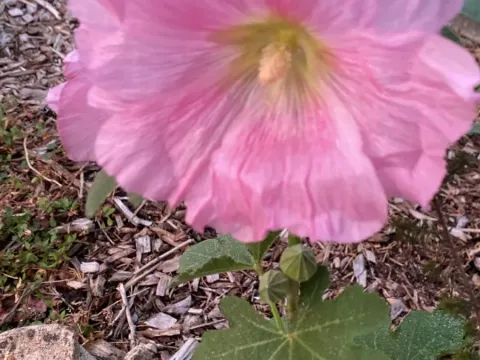
Fig-leaved hollyhock
Alcea ficifolia
The sowing of Fig-leaved hollyhock seeds is best conducted in spring, during April or May, once the soil has sufficiently warmed up. Fall sowing is also a viable option in milder climates to allow for natural stratification.
What the section contains
Fig-leaved hollyhock
For greenhouse cultivation, seeds should be started in individual pots during March. Maintain a temperature of approximately 20 degrees Celsius to ensure consistent germination rates.
Transplanting seedlings to their permanent garden location should occur only after the danger of frost has passed. Ensure a spacing of 50–60 centimeters between each individual plant.
The seeds should be covered with a fine layer of soil, about 1.5–2 centimeters deep. Keeping the seedbed consistently moist is essential for successful establishment.
Belonging to the Malvaceae family, this plant is a robust herbaceous perennial known for its impressive height and distinctive foliage, native to parts of Siberia and East Asia.
Fig-leaved hollyhock thrives in full sun exposure. It requires at least 6–8 hours of direct sunlight daily to produce strong flower stalks and maintain its overall health.
The ideal soil for this species is deep, fertile, and well-draining loam. Excessive moisture in the root zone can lead to crown rot, so good drainage is absolutely critical.
A neutral to slightly alkaline soil pH is optimal. Amending the soil with compost or well-rotted organic matter prior to planting provides the necessary nutrients for vigorous growth.
Regular watering is necessary, particularly during hot summer periods or when the plant is in its primary flowering stage. Avoid wetting the leaves to minimize the risk of fungus.
Mulching the base of the plant helps maintain soil moisture, suppresses weed competition, and protects the root system from extreme temperature fluctuations.
Rust is the most common fungal ailment affecting this species, appearing as orange-brown pustules on the undersides of leaves. Removing infected foliage is the first step in control.
Aphids frequently target the tender new shoots and flower buds. Early detection and treatment with insecticidal soap are usually effective in managing these infestations.
Powdery mildew may occur when humidity is high and airflow is restricted. Proper spacing between plants and avoiding overhead irrigation can significantly reduce the risk.
Spider mites can become a nuisance during hot, dry spells. Ensuring the plant is not under water stress helps it remain more resistant to these pests.
Slugs and snails can cause damage to young seedlings in early spring. Protecting young plants with physical barriers is recommended in gardens with high slug activity.
The medicinal use of the plant primarily involves the roots and flowers. Roots should be harvested in the late autumn after the plant has entered its dormant period.
Flowers are collected at the peak of their blooming period on a dry, sunny day. This timing ensures the preservation of essential compounds and prevents spoilage.
After harvesting the roots, they must be thoroughly cleaned of dirt and debris, then sliced into smaller sections to facilitate a faster and more uniform drying process.
In a landscape setting, removing spent flower stalks helps prevent unwanted self-seeding and directs the plant's energy toward root development and overall longevity.
Drying the harvested material should occur in a shaded, well-ventilated area at temperatures not exceeding 45 degrees Celsius to maintain maximum therapeutic quality.