
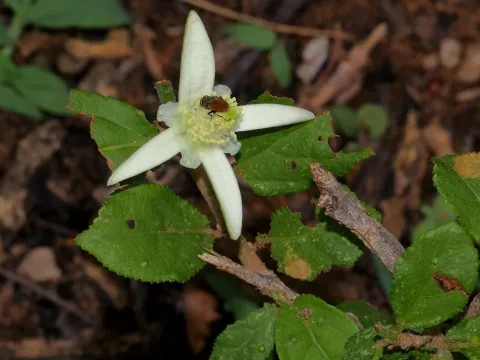
Grewia pachycalyx
Grewia pachycalyx
Grewia pachycalyx is a perennial shrub or small tree belonging to the Malvaceae family. Native to tropical regions of Africa, this plant is well-adapted to savanna and woodland environments characterized by seasonal rainfall patterns.
What the section contains
Grewia pachycalyx
The plant thrives in regions with intense sunlight and temperatures ranging between 20°C and 30°C. It prefers well-drained soils, ideally sandy loams or neutral soil structures, which allow the root system to develop without the risk of waterlogging.
Despite being naturally drought-tolerant, Grewia pachycalyx requires sufficient moisture during the active vegetative phase to ensure optimal fruit development. Adequate watering management is crucial for maintaining plant health and maximizing yield potential in agricultural settings.
The root system of this species is notably robust, which helps the plant stabilize itself in diverse soil types and access deep water reserves. Establishing the crop requires clearing the surrounding area of invasive weeds that could hinder early growth.
Propagation is typically achieved through seeds, which require specific pretreatment to break dormancy. Once established, the shrub proves to be a resilient component of agroforestry systems in dryland areas.
The primary agricultural output of Grewia pachycalyx is its edible fruit, which is highly regarded for its nutritional content. The fruit, usually a small drupe, offers a distinctive flavor profile and is consumed fresh or used in local culinary preparations.
Beyond its value as a food crop, the plant produces durable and flexible wood. This makes it a preferred choice for crafting tools, handles, and small domestic furniture, adding economic diversity to the farm's output.
Traditional medicinal applications of the bark and leaves highlight the cultural significance of this plant. Extracts are often prepared to treat various ailments, underscoring the potential for integrating this shrub into medicinal crop production.
The yield potential increases significantly as the plant matures. Mature trees can provide consistent harvests for many years, making it a sustainable choice for smallholder farmers looking for long-term food security solutions.
Ongoing research focuses on selecting superior genotypes to improve fruit size and sweetness, which could open new markets for the crop beyond local consumption.
The most common pests affecting Grewia pachycalyx include various defoliating insects that can reduce the tree's photosynthetic capacity. Prompt monitoring is required to prevent widespread infestation that could stunt growth.
Fungal infections may occur during periods of high humidity, particularly affecting the fruit and young shoots. Maintaining adequate spacing between trees is essential to ensure proper air circulation and reduce the risk of disease transmission.
Browsing by wild herbivores poses a significant threat to young plants. Implementing physical barriers such as protective fencing during the establishment phase is essential for ensuring the survival of the plantation.
Integrated pest management (IPM) strategies are recommended to maintain ecological balance. Preference should be given to biological controls to ensure that local pollinators remain unaffected by the farming practices.
Regular inspection of the canopy and base of the trees allows for early detection of potential threats, facilitating timely intervention and minimizing the need for heavy chemical input.