
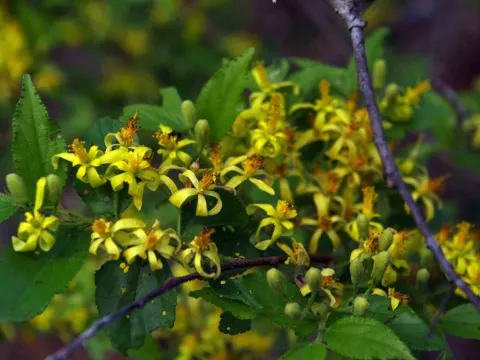
Grewia microcarpa
Grewia microcarpa
Propagation of Grewia microcarpa is typically achieved through seeds or semi-hardwood cuttings. Seeds possess a hard coat and often require scarification or stratification to improve germination rates significantly.
What the section contains
Grewia microcarpa
The optimal sowing time is during the spring season when soil temperatures remain consistently above +20°C. When using cuttings, it is essential to apply rooting hormones and maintain a high-humidity environment to ensure survival.
The growing medium for seedlings must be light, well-draining, and rich in organic matter to support the initial development of the root system. Regular monitoring of soil moisture is required during the delicate germination phase.
Seedlings should be transplanted into individual containers once they have developed 3 to 4 true leaves. During this growth stage, plants need ample, indirect sunlight to prevent etiolation and promote healthy stem thickening.
Field planting is reserved for after the frost risk has passed, as Grewia microcarpa is highly susceptible to cold stress during its early establishment phase.
As a tropical and subtropical species, Grewia microcarpa requires warm conditions to thrive, preferring temperatures between +22°C and +30°C. Exposure to extreme cold or sudden temperature drops can severely stunt growth.
The plant performs best in full sunlight; shade results in reduced fruit set and poor growth rates. A location protected from strong, drying winds is also necessary to maintain plant vigor.
The soil should be fertile and well-drained, as the species is intolerant to waterlogged conditions, which can lead to root rot. Sandy loams or alluvial soils are generally preferred for commercial production.
Regular irrigation is vital during dry spells to maintain leaf turgor and support fruit development. However, water management should focus on avoiding excess moisture accumulation around the base of the plant.
Fertilization regimes should include a balance of nitrogen during the vegetative phase and potassium-phosphorus applications during the flowering and fruiting cycles to enhance yield quality.
The yield of Grewia microcarpa is largely determined by the plant's maturity and the pruning strategies implemented. Typically, fruiting begins around the third or fourth year after planting.
The fruit, a small drupe, should be harvested selectively as it reaches maturity. Because the fruits are perishable, efficient post-harvest handling is necessary to maintain their commercial value.
With proper crown management and nutrition, a healthy, mature shrub can yield significant quantities of fruit, making it a viable crop for local markets and small-scale production.
Regular pruning is critical not only for maintaining height but also for ensuring light penetration into the center of the crown, where most flowers develop. This maximizes the quantity and quality of the harvest.
Grewia microcarpa fruit is valued for its nutritional profile and is used in various products, including juices, preserves, and traditional snacks, indicating its potential for diversifying agricultural portfolios.
Common pests affecting Grewia microcarpa include aphids and spider mites, which can cause significant damage to young leaves and tender stems if left uncontrolled. Integrated pest management strategies are recommended.
Fungal diseases, such as powdery mildew and anthracnose, are significant risks in humid climates or where plant density is too high. Proper spacing and airflow are the best preventative measures.
Scale insects can also impact the plant by feeding on sap and weakening the branches. Early detection and targeted treatment are essential to prevent severe infestations that lead to leaf drop.
Sanitation practices, including the removal of dead or diseased tissue, are crucial for reducing the inoculum load in the plantation and preventing the spread of diseases during wet seasons.
Regular monitoring of plant health allows farmers to identify early symptoms of stress or infection, enabling timely intervention and protecting the overall health of the crop cycle.