
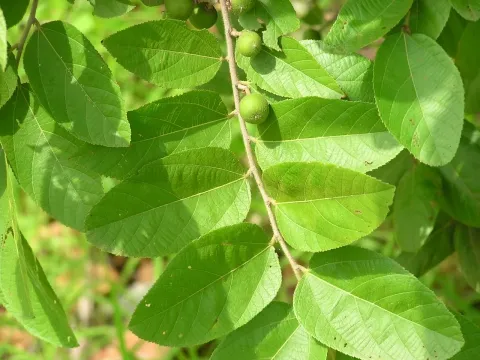
Grewia mollis
Grewia mollis
Grewia mollis, belonging to the Malvaceae family, is a resilient woody plant widely recognized for its ecological adaptability in tropical savanna ecosystems. It functions as a multipurpose plant in various traditional agricultural systems.
What the section contains
Grewia mollis
The species originates from African tropical zones, where it is found in diverse habitats including woodlands and rocky outcrops. It thrives in regions with distinct wet and dry seasons, requiring intense sunlight for optimal development.
Botanically, this species features alternate leaves and fibrous bark, and it can grow either as a shrub or a small tree depending on environmental stressors and site-specific soil conditions.
The crop requires well-drained soil to thrive, as waterlogging is detrimental to its root health. While it is tolerant to nutrient-poor soils, organic amendments during the early stages of establishment significantly improve vigor.
Economically, Grewia mollis is highly valued for its edible fruits and medicinal properties derived from its leaves and bark, which are commonly used in traditional decoctions and extracts.
The cultivation of Grewia mollis faces challenges from specific insect pests such as leaf-eating caterpillars and beetles that can cause significant damage to the photosynthetic capacity of the plants.
Fungal pathogens represent a threat during humid spells, often manifesting as leaf spots or bark lesions that can compromise the structural integrity of the stems over time.
Termite activity poses a significant risk to the plant’s root system, especially in arid regions where these insects are particularly prevalent and can destroy seedlings if not managed.
Weed management is essential during the plant's juvenile phase. Competition for soil nutrients and moisture from aggressive grasses often stunts growth, requiring diligent manual weeding or mulching.
Maintaining plant health involves systematic pruning of diseased tissues and the application of integrated pest management strategies to ensure sustainable production cycles throughout the lifespan of the crop.