
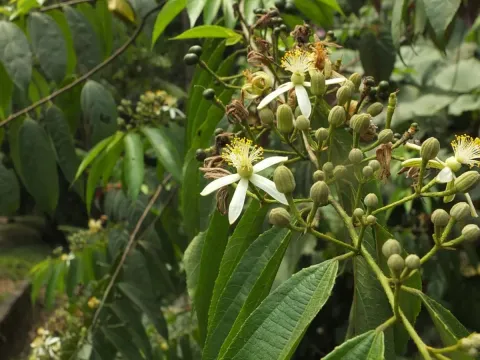
Grewia serrulata
Grewia serrulata
Grewia serrulata is a perennial shrub species belonging to the Malvaceae family. It is recognized for its adaptability to tropical environments and its dense, evergreen foliage that provides significant ecological value.
What the section contains
Grewia serrulata
Originating from tropical regions of Africa, this plant thrives in warm, humid climates with stable temperatures. It requires full sunlight exposure to ensure proper floral development and consistent fruit set throughout the season.
The soil requirements for Grewia serrulata focus on nutrient-rich, well-draining substrates. It is highly sensitive to waterlogging, which necessitates careful soil preparation and drainage systems in agricultural settings.
In terms of agricultural management, the plant benefits from periodic pruning to maintain structural integrity and improve air circulation, which prevents the development of diseases within the dense canopy.
Beyond its culinary utility, the plant is historically significant for its bast fiber, which is extracted from the bark and used in the production of natural textiles and cordage by local communities.
Major pests affecting Grewia serrulata include common greenhouse invaders such as spider mites and aphids, which target the underside of the leaves and emerging vegetative buds.
Fungal pathogens, particularly those causing powdery mildew or leaf spots, can significantly reduce productivity during periods of prolonged humidity or poor ventilation.
Integrated Pest Management (IPM) strategies, including the use of horticultural oils and neem-based solutions, are recommended for maintaining the health of the plants without compromising the quality of the fruits.
Strategic pruning acts as a preventative measure against disease outbreaks by reducing the moisture trapped within the shrub architecture and facilitating faster drying of leaves after rain.
Soil-borne diseases like root rot pose a persistent threat if irrigation practices are not strictly regulated, making proper moisture management the cornerstone of successful cultivation.