
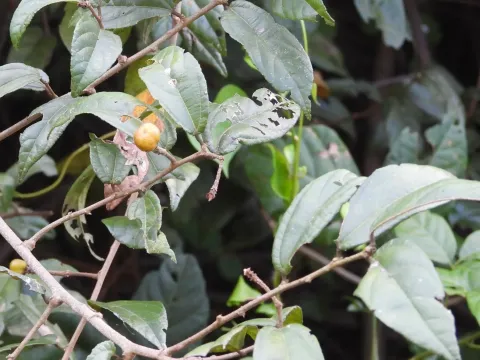
Grewia orientalis
Grewia orientalis
Grewia orientalis is a versatile evergreen shrub belonging to the Malvaceae family. Native to regions in India, Southeast Asia, and parts of Africa, this plant is well-adapted to tropical and subtropical environments where it thrives in diverse soil types.
What the section contains
Grewia orientalis
The plant prefers well-drained, fertile soils with a pH ranging from slightly acidic to neutral. It exhibits significant adaptability to varying light conditions, though optimal development is observed in full sun exposures which stimulate higher vegetative production.
Regarding climate, Grewia orientalis is sensitive to prolonged freezing temperatures. It is known for its moderate drought tolerance, yet it requires consistent moisture during the establishment phase to develop a robust root system capable of sustaining the plant in harsher conditions.
In agricultural practice, the species is often utilized in agroforestry systems. Its dense canopy and extensive root structure make it an excellent candidate for soil stabilization and windbreak installations, protecting more sensitive crops in the vicinity.
Effective agronomy for this crop includes regular formative pruning. This practice is essential for maintaining plant vigor, enhancing the density of the foliage, and improving overall yield for both biomass production and berry harvest.
The economic utility of Grewia orientalis is multi-faceted. The leaves are frequently harvested as nutritious fodder for livestock, serving as a reliable source of green feed in semi-arid regions where other pasture resources are scarce.
The berries of the shrub contain bioactive compounds and vitamins, contributing to their use in local dietary supplements and medicinal applications. Research into the phytochemical properties of Grewia species continues to reveal their potential for pharmaceutical development.
Bark fiber is another traditional product of this plant. The fibers are recognized for their durability and tensile strength, which have been historically exploited for the production of ropes, weaving materials, and various agricultural tools.
Yield metrics for Grewia orientalis are highly dependent on plantation density and soil management. With proper fertilization, particularly organic amendments, the plant shows an increase in both leaf yield and fruit production throughout the harvest season.
Sustainability is a core advantage of cultivating this species, as it requires lower inputs compared to more conventional crops while providing multiple harvestable products over the long term.
While Grewia orientalis is generally robust, it can be susceptible to common horticultural pests such as aphids and spider mites, especially during periods of extreme heat and humidity stress where plant defenses may be temporarily weakened.
Fungal pathogens represent the most significant threat under poor management conditions. Specifically, waterlogging can lead to root rot, which is the primary cause of plant failure in poorly drained agricultural landscapes.
Integrated pest management (IPM) strategies are recommended for managing these threats. This includes maintaining proper plant spacing to ensure adequate air circulation within the canopy, which effectively reduces the humidity levels that favor fungal growth.
Sanitation practices, such as the prompt removal of infected leaves and branches, are crucial for preventing the spread of secondary infections. Biological control methods are generally effective against soft-bodied pests on this crop.
Monitoring for signs of stress is vital. Healthy, well-nourished plants show higher natural resistance to pests and diseases, emphasizing the importance of a balanced nutrient management program in the overall cultivation cycle.