
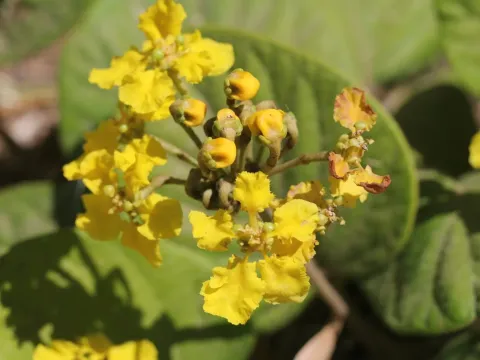
Stigmaphyllon
Stigmaphyllon
Stigmaphyllon is a genus of perennial flowering vines belonging to the Malpighiaceae family. These plants are native to the tropical and subtropical regions of the Americas, known for their vigorous growth and attractive, orchid-like yellow flowers.
What the section contains
 Stigmaphyllon ciliatum
Stigmaphyllon ciliatum
Stigmaphyllon ciliatum
 Stigmaphyllon convolvulifolium
Stigmaphyllon convolvulifolium
Stigmaphyllon convolvulifolium
 Stigmaphyllon lindenianum
Stigmaphyllon lindenianum
Stigmaphyllon lindenianum
 Stigmaphyllon lingulatum
Stigmaphyllon periplocifolium
Stigmaphyllon periplocifolium
Stigmaphyllon lingulatum
Stigmaphyllon lingulatum
Stigmaphyllon periplocifolium
Stigmaphyllon periplocifolium
 Stigmaphyllon sagraeanum
Stigmaphyllon sagraeanum
Stigmaphyllon sagraeanum
 Stigmaphyllon sinuatum
Stigmaphyllon tomentosum
Stigmaphyllon tomentosum
Stigmaphyllon sinuatum
Stigmaphyllon sinuatum
Stigmaphyllon tomentosum
Stigmaphyllon tomentosum
Stigmaphyllon
The culture requires a location with bright, indirect sunlight to thrive. While the plant appreciates warmth, direct midday exposure can scorch the foliage, making partial shade or dappled light the ideal condition for healthy development.
Soil quality is paramount for this species. It requires a well-draining, nutrient-rich substrate, typically based on a mixture of peat, perlite, and organic matter. Ensuring good aeration in the root zone is crucial to prevent common moisture-related issues.
Optimal growth temperatures range between 20°C and 28°C. Being a tropical plant, it cannot withstand frost or cold winds, necessitating indoor cultivation or conservatory conditions in temperate climates during the winter season.
Watering should be consistent during the active growing phase, keeping the soil slightly moist. However, allow the surface layer of the soil to dry out between watering sessions to avoid root suffocation and promote deeper root growth.
Common pests affecting Stigmaphyllon include spider mites, mealybugs, and aphids. These insects tend to thrive in dry indoor environments, often clustering on the undersides of leaves or around the nodes of the stems.
Root rot, caused by excessive moisture and poor soil drainage, is a significant threat to the plant's longevity. It manifests as wilting despite moist soil, which indicates that the root system is no longer functioning correctly.
To combat infestations, growers should utilize horticultural oils or insecticidal soaps as an immediate measure. For severe cases, systemic insecticides approved for ornamental plants are recommended to ensure complete eradication.
Maintaining proper humidity levels is a simple yet effective way to discourage spider mite proliferation. Regular light misting or the use of humidity trays can significantly improve plant resistance to these common environmental pests.
Leaf chlorosis is another frequent issue, often pointing to nutrient deficiencies or improper pH levels. Regular application of a balanced, micronutrient-enriched fertilizer during the growing season helps sustain the vibrant green color of the leaves.