
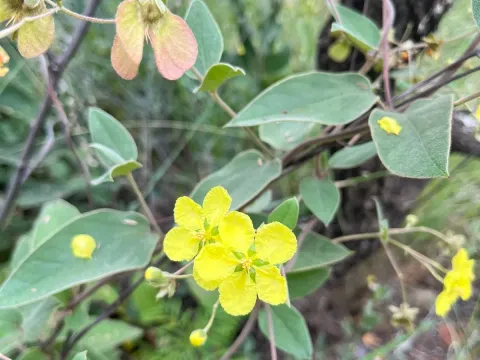
Sphedamnocarpus
Sphedamnocarpus
Sphedamnocarpus is a genus belonging to the Malpighiaceae family, comprising several species of perennial vines or scrambling shrubs. Native primarily to the African continent, these plants are known for their distinct botanical structure and ecological adaptability to warm climates.
What the section contains

Sphedamnocarpus
Successful cultivation of Sphedamnocarpus requires well-drained, sandy loam soils with a slightly acidic to neutral pH. The species thrives in environments where moisture does not accumulate around the root system, making proper soil structure and drainage the primary prerequisites for healthy plant development.
Exposure to full sunlight is essential for the plant's metabolic processes. It requires at least 6 to 8 hours of direct light daily. In lower light intensities, the plant becomes leggy, and its capacity to produce floral structures is significantly diminished.
The thermal requirements are strictly tropical or subtropical; the plant grows best within a temperature range of +20°C to +28°C. It is intolerant of frost and requires protection if temperatures drop below the minimum threshold, as the succulent-like properties of some tissues do not provide sufficient resistance against freezing temperatures.
For optimal growth, regular monitoring of the soil moisture is recommended. While drought-tolerant to some extent, supplemental irrigation is necessary during the active growth phase to ensure steady development of foliage and flowers, preventing premature dormancy caused by moisture deficit.