
Stigmaphyllon ciliatum
Stigmaphyllon ciliatum
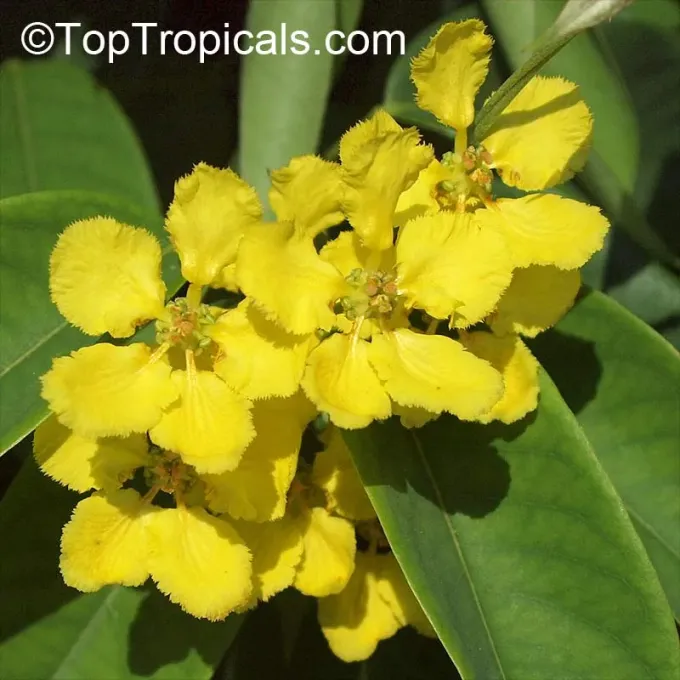
Description
Growing requirements
Stigmaphyllon ciliatum, commonly known as the fringe-leaved vine, is an evergreen perennial climber belonging to the Malpighiaceae family. Native to South America, particularly Brazil, this species is well-adapted to warm, humid tropical environments where it thrives as a vigorous climbing plant.
Botanically, the plant is characterized by its slender, twining stems and vibrant, orchid-like yellow flowers. The species is easily distinguished by the small cilia (hairs) along the margins of its leaves, which provides the biological basis for its specific epithet, ciliatum.
For successful cultivation, this crop requires well-drained, humus-rich soil that maintains consistent moisture. It performs best in environments with high light intensity, though it benefits from partial protection against direct, intense afternoon sun in extremely hot climates.
Climatic requirements are strict: the plant is sensitive to frost and cold drafts. In temperate regions, it is exclusively cultivated in glasshouses or as a seasonal container plant. It requires stable temperatures and should be kept away from low-temperature zones to ensure continuous growth.
Agricultural management involves providing sturdy vertical support structures to accommodate its climbing habit. Pruning is essential to control its rapid growth and to encourage side branching, which results in a higher density of flowering stems during the peak blooming season.
Main diseases and pests
The primary threats to Stigmaphyllon ciliatum in controlled environments include spider mites, mealybugs, and scale insects. Maintaining proper air circulation and monitoring moisture levels are critical practices to mitigate the risk of pest infestation and fungal diseases.