
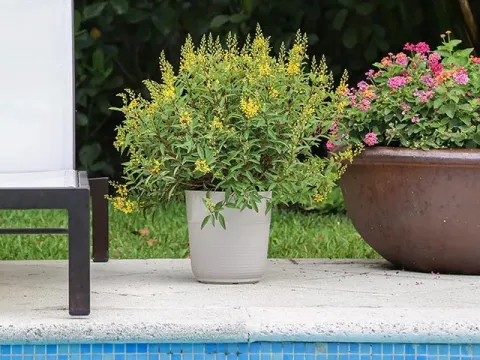
Thryallis
Thryallis
Thryallis, scientifically known as Galphimia glauca, is an ornamental shrub belonging to the Malpighiaceae family. Originating from the tropical regions of Mexico and Central America, this plant is widely appreciated for its golden-yellow flower clusters that bring vibrant color to gardens.
What the section contains

Thryallis
The cultural requirements for Thryallis focus on high light intensity, as the plant thrives in full sun. It is a thermophilic species that requires warm temperatures to maintain active growth, making it unsuitable for areas experiencing severe winter frost without proper protection.
Soil management for this shrub involves ensuring excellent drainage, as the plant is highly susceptible to root decay when exposed to waterlogged conditions. A well-aerated, fertile loam with a slightly acidic to neutral pH is considered the ideal growing medium for healthy development.
Botanically, the plant is characterized by its evergreen nature and distinct lanceolate leaves. It is often pruned to encourage a bushy, compact habit, which makes it an excellent choice for ornamental hedges or specimen planting in landscape architecture.
The primary horticultural use of Thryallis is in the landscape sector, where it serves as a reliable bloomer for decorative purposes. It is frequently utilized in xeriscaping or Mediterranean-style gardens due to its moderate drought tolerance once the root system is established.
Main plant threats include fungal pathogens, particularly root rot, often exacerbated by overwatering or poor soil drainage. Maintaining a balanced irrigation schedule is critical to prevent the colonization of the root zone by harmful fungal agents.
Pest management focuses on monitoring for common sucking insects such as spider mites, aphids, and scale insects. If an infestation occurs, horticultural oils or systemic insecticides are recommended to control population growth and preserve the plant's aesthetic value.