
Stigmaphyllon lingulatum
Stigmaphyllon lingulatum
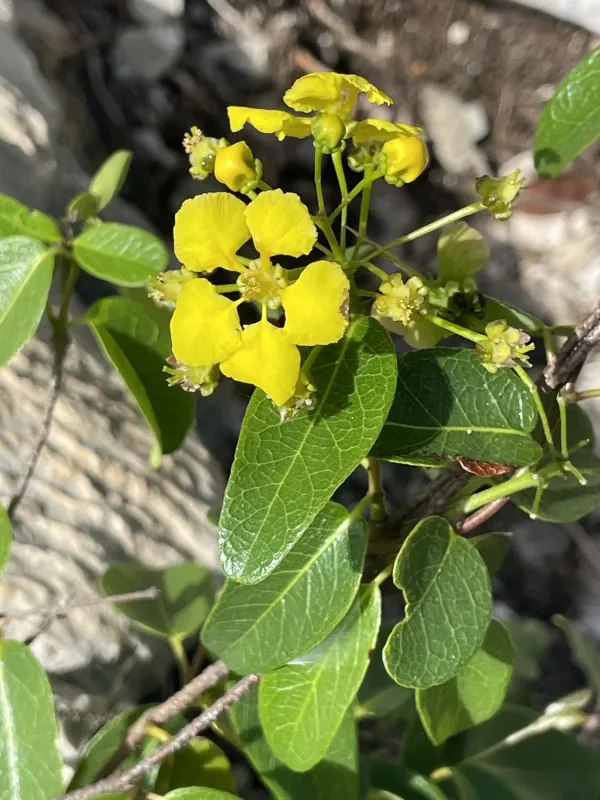
Description
Growing requirements
Stigmaphyllon lingulatum is a robust evergreen vine belonging to the Malpighiaceae family. It is recognized for its woody stems and twining habit, making it an excellent candidate for ornamental vertical gardening in tropical climates.
The species originates from Central and South America, where it naturally thrives in humid environments. It is adapted to tropical forest margins, utilizing its tendrils to reach sunlight in the canopy layer.
Cultivation requires a warm climate with temperatures consistently above +20°C. In temperate zones, this plant must be grown in greenhouses or botanical conservatories to protect it from cold and frost damage.
Soil requirements include a well-draining, nutrient-rich substrate. A mix consisting of peat, leaf mold, and perlite is often used to ensure proper aeration and prevent moisture retention at the root level.
Bright, indirect light is essential for the healthy growth and blooming of this species. While it appreciates sunlight, direct midday sun during high-temperature periods can cause leaf scorch in glasshouse environments.
Main diseases and pests
Spider mites are common pests that thrive in the dry air of indoor settings, posing a major threat to the foliage. Regular misting and proper ventilation are essential practices to discourage these infestations.
Mealybugs can often be found in the leaf axils, where they feed on plant sap. Early detection and manual removal, followed by appropriate insecticide application, are effective management strategies.
Root rot, induced by excessive watering or poor soil structure, is a significant danger. It is crucial to allow the top layer of the substrate to dry slightly between watering sessions.
Fungal leaf spot diseases may develop if the foliage remains wet for extended periods in poorly ventilated areas. Keeping the leaves dry and ensuring airflow are critical for maintaining plant health.
Nutrient deficiencies, specifically chlorosis, are common if the pH of the growing medium is not maintained in the slightly acidic to neutral range. Regular monitoring and balanced fertilization are recommended.