
Stigmaphyllon lindenianum
Stigmaphyllon lindenianum
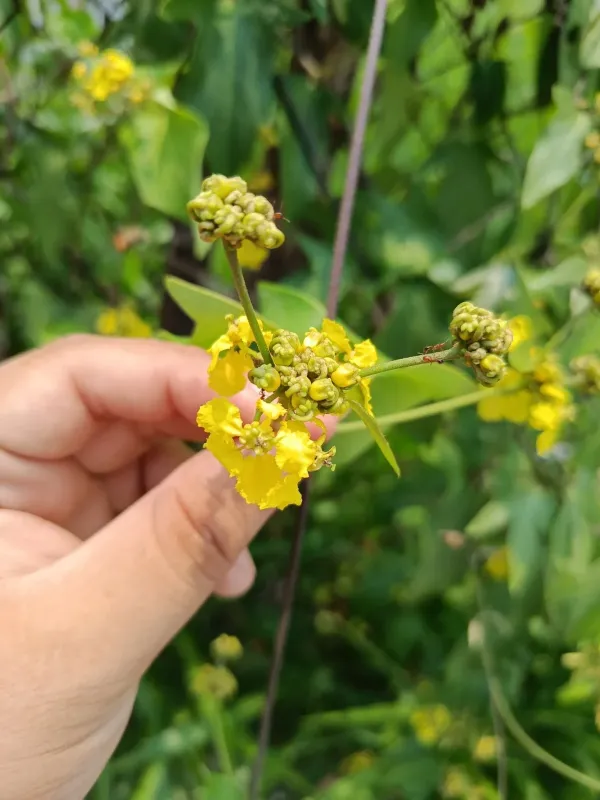
Description
Growing requirements
Stigmaphyllon lindenianum is a perennial climbing plant belonging to the Malpighiaceae family. Originating from the tropical regions of Central and South America, this plant is well-known for its vigorous growth and attractive foliage.
The plant thrives in warm, humid climates and cannot tolerate frost. It is primarily cultivated in greenhouses or indoor environments in temperate zones, requiring temperatures consistently above 20 degrees Celsius.
Regarding soil requirements, it prefers a rich, well-draining substrate with a slightly acidic to neutral pH. A mix of peat, bark, and perlite provides the necessary structure for the root system to breathe.
Adequate lighting is crucial for the development of Stigmaphyllon lindenianum. While it appreciates bright indirect light, direct sunlight during the hottest part of the day may cause leaf scorching.
Consistent moisture is key; the soil should be kept damp but never waterlogged. Providing a sturdy trellis or support system allows the vine to exhibit its climbing potential effectively.
Main diseases and pests
Common pests associated with this plant include spider mites and mealybugs. These organisms thrive in dry environments and can quickly infest stems and the undersides of leaves.
Root rot is a major threat caused by overwatering or poor drainage systems. It manifests as yellowing of the leaves and a general decline in the plant's overall health and vigor.
Integrated pest management strategies are recommended, focusing on maintaining humidity levels and using insecticidal soaps if an infestation occurs. Prevention is the most effective approach.
Fungal infections can appear if airflow is insufficient. Improving ventilation within the growing area is essential for preventing powdery mildew and other airborne leaf pathogens.
Regular monitoring of the foliage ensures that any outbreaks of pests or diseases are identified early. Prompt action, including physical removal or targeted treatments, preserves the long-term health of the crop.