
Lophanthera
Lophanthera
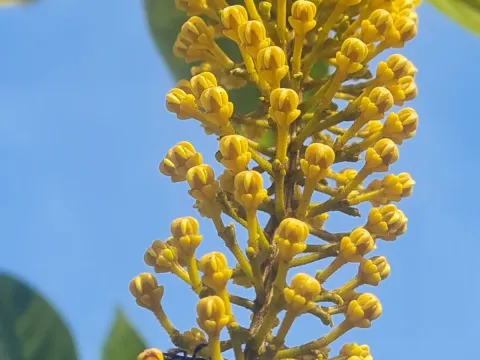
Lophanthera is a genus of flowering plants that belongs to the Malpighiaceae family. These plants are typically found as evergreen trees or shrubs native to the tropical regions of South America, primarily flourishing in the lush rainforests of the Amazon basin.
What the section contains

Lophanthera
The cultivation of Lophanthera requires strict adherence to tropical climate parameters. The plant thrives in high humidity environments and requires consistent warm temperatures, typically ranging from 22 to 28 degrees Celsius, to maintain active physiological processes throughout the year.
Soil requirements for this crop include a well-draining, nutrient-rich substrate. In a controlled environment, it is essential to use a mix that mimics the organic-rich forest floor, ensuring that moisture is retained without causing waterlogging around the root zone.
Agricultural management involves regular monitoring of soil fertility. Applying balanced fertilizers during the growing season is crucial, as the plant demands sufficient nitrogen and trace minerals to support its vigorous vegetative growth and characteristic foliage development.
Light management is another critical factor in successful cultivation. While adapted to the semi-shaded conditions of the forest canopy, Lophanthera needs high-intensity indirect light to ensure optimal development in greenhouses or botanical gardens, preventing etiolation.
The primary threats to Lophanthera in cultivation include common greenhouse pests such as spider mites and scale insects. These pests can cause significant damage to the plant's aesthetic and physiological health if not monitored through regular inspections.
Pathogenic threats are often linked to fungal infections in the root system caused by poor drainage or excessive soil moisture. Implementing proper sanitation practices and maintaining a good airflow around the plants are essential strategies to prevent disease outbreaks.