
Malpighia yucatanaea
Malpighia yucatanaea
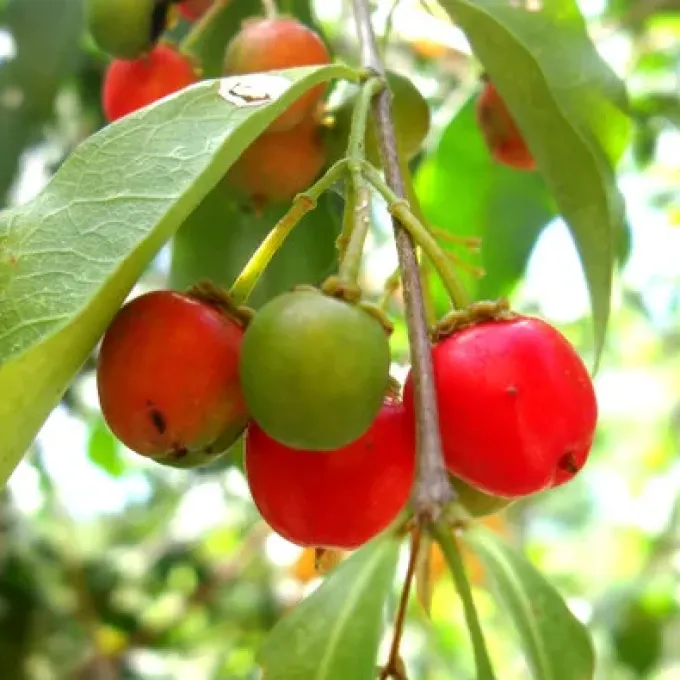
Description
Growing requirements
Malpighia yucatanaea is a specialized member of the Malpighiaceae family, native to the Yucatan Peninsula. It thrives as a shrub or small tree, displaying remarkable resilience in its natural tropical habitat characterized by dry periods.
The cultivation of this plant requires well-draining soils, typically preferring limestone-based substrates that prevent waterlogging. Good aeration of the root system is critical for preventing root rot, which is the primary challenge in improper soil conditions.
Climatic requirements focus on heat and high light intensity. The species is highly sensitive to frost, necessitating protection or greenhouse cultivation in regions with temperatures dropping below 10°C. Full sunlight exposure is essential to promote healthy growth and flower induction.
Water management should mimic the natural cycle of its native environment, with regular moisture during the growing season and a slight reduction during the dormant period. Excessive humidity without proper ventilation should be avoided to prevent foliar issues.
General maintenance includes annual pruning to maintain a manageable structure and encourage higher yields. Balanced fertilization, focusing on potassium and essential micronutrients, supports the development of the fruits and overall plant immunity.
Harvesting
Harvesting Malpighia yucatanaea is usually done manually due to the delicate nature of the fruits. Collectors look for a deep, characteristic color change that indicates the peak of sugar development and nutritional ripeness.
Post-harvest handling is critical because the fruit is highly perishable. Immediate consumption or processing into juices and extracts is recommended to capture the full flavor profile and vitamin concentration before degradation occurs.