
Mexican acerola
Malpighia mexicana
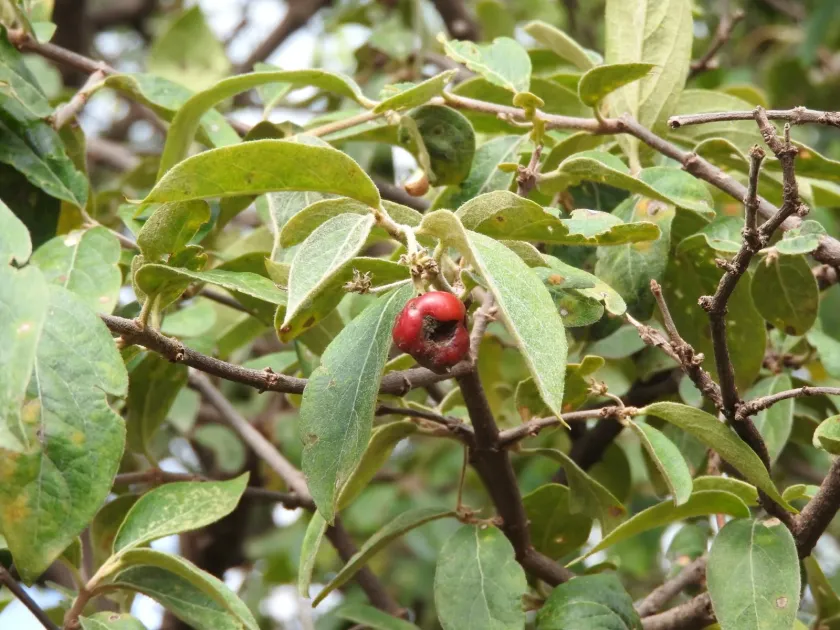
Description
Growing requirements
Mexican acerola (Malpighia mexicana) is a perennial evergreen shrub or small tree within the Malpighiaceae family. It is distinct for its biological adaptation to tropical climates and its production of nutrient-dense small fruits.
Native to Central America and Mexico, this plant thrives in areas with consistent tropical temperatures. It is not cold-hardy, which restricts its cultivation range primarily to tropical and subtropical zones where temperatures stay above freezing throughout the year.
Cultivation requires well-draining soil rich in organic matter. While the plant prefers consistent moisture, it is highly intolerant of waterlogged conditions, which can quickly induce root rot. Maintaining a proper irrigation schedule is critical for fruit production.
Botany-wise, the plant is characterized by its dense, glossy foliage and its ability to flower multiple times under optimal conditions. The fruits, while smaller than some other related species, are highly prized for their unique flavor profile.
Economically, Mexican acerola is utilized for both culinary and nutritional purposes. The fruits are commonly processed into juices, jellies, and dietary supplements, reflecting the plant's reputation as a valuable source of essential vitamins.
Main diseases and pests
The main pathological threats include fungal infections such as leaf spot and fruit rot, which often occur in high-humidity environments. Pruning practices aimed at improving light and air penetration are essential to mitigate these issues.
Pest challenges primarily involve sap-sucking insects like scales, aphids, and spider mites. These pests thrive in dry or stressed conditions, making regular scouting and maintenance of optimal plant health the best defense strategy for commercial growers.