
Stigmaphyllon sinuatum
Stigmaphyllon sinuatum
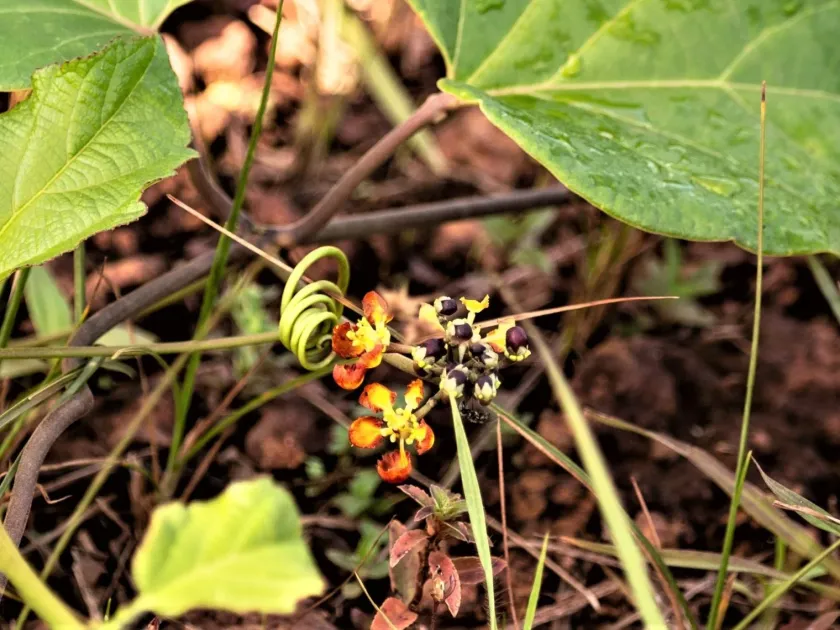
Description
Growing requirements
Stigmaphyllon sinuatum is a perennial evergreen vine belonging to the Malpighiaceae family. Native to the tropical regions of South America, this plant is characterized by its vigorous climbing habit and distinctive foliage, making it a notable species in exotic botanical collections.
The plant thrives in warm climates and requires consistent temperatures to maintain active growth. In regions outside its natural tropical habitat, it is exclusively cultivated in controlled environments such as greenhouses or conservatories, where frost protection is strictly managed throughout the winter season.
Soil requirements for Stigmaphyllon sinuatum involve a well-draining, nutrient-rich substrate. A blend of peat moss, perlite, and high-quality potting compost provides the ideal environment for root development while preventing the soil from becoming overly compacted.
Maintaining high ambient humidity is crucial for the health of this vine. Regular misting or the use of humidifiers is recommended, especially in indoor settings, to mimic the tropical atmosphere required for optimal photosynthesis and flower production.
Regarding its utility, the plant is valued for its rapid growth rate and aesthetic appeal in vertical landscaping. It is frequently employed to cover trellises, arches, and walls within indoor landscapes, serving as a focal point due to its unique, orchid-like yellow flowers and deeply lobed leaves.
Main diseases and pests
The most common pests affecting this culture include spider mites and scale insects. These pests often proliferate when the plant is kept in conditions with inadequate airflow or excessively low humidity, necessitating regular monitoring of the underside of the leaves.
Root rot represents a significant threat, usually caused by overwatering or poor drainage systems in containers. To mitigate this risk, it is essential to ensure that the substrate is allowed to dry slightly between waterings and that pots have sufficient drainage holes.