
Stigmaphyllon periplocifolium
Stigmaphyllon periplocifolium
Description
Growing requirements
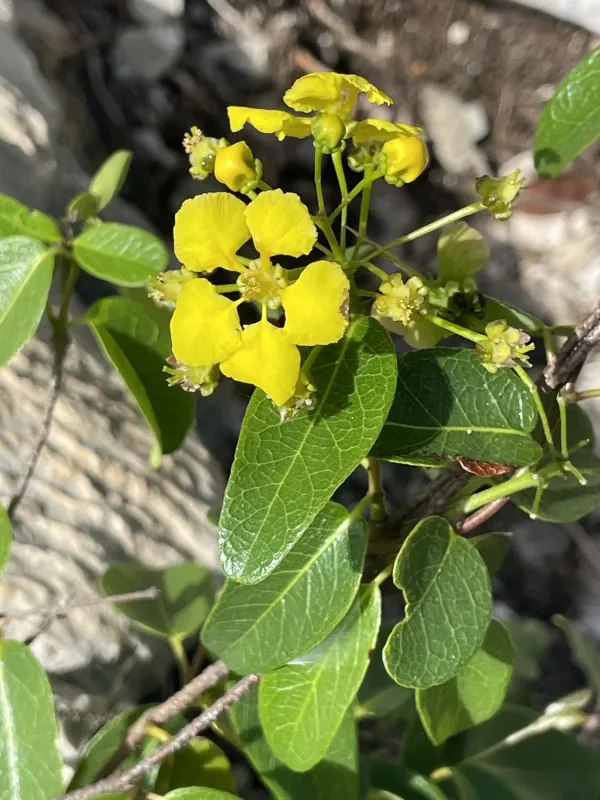
Stigmaphyllon periplocifolium is a woody vine belonging to the Malpighiaceae family, native to the tropical regions of the Caribbean and South America. It is prized for its attractive foliage and yellow, orchid-like flowers.
This species requires a warm, humid environment to thrive. It is not frost-hardy and must be kept in greenhouses or indoor settings in temperate climates, where temperatures remain consistently above 15 degrees Celsius.
Light requirements are significant; the plant needs bright, filtered light to produce its abundant blooms. Full sun in tropical climates is acceptable, but in greenhouse settings, partial shading during peak midday heat is recommended.
Soil should be rich in organic matter and possess excellent drainage capabilities. A standard peat-based substrate with added perlite or bark chips helps maintain the necessary aeration for root health.
Watering practices must be meticulous. The soil should remain consistently moist during the growing season but never waterlogged. Reducing watering frequency during the dormant winter period is essential to prevent root rot.
Main diseases and pests
Root rot is the most common threat, primarily caused by overwatering or poor drainage systems in containers. Ensuring the pot has ample drainage holes is the first step in prevention.
Pests like spider mites are prevalent in dry, indoor environments. Regular misting and keeping the plant away from heat vents can help maintain the required humidity and minimize mite outbreaks.
Mealybugs can also infest the stems and leaf axils. If detected, manual removal using alcohol-soaked cotton swabs or the application of horticultural oils is advised to manage the infestation effectively.
Iron chlorosis often appears if the irrigation water is too alkaline. Using a fertilizer with chelated iron or acidifying the substrate can resolve nutrient uptake issues and improve foliage health.
Poor ventilation can lead to fungal issues, including powdery mildew. Providing adequate air circulation around the canopy is crucial for long-term health and vigorous growth of the vine.