
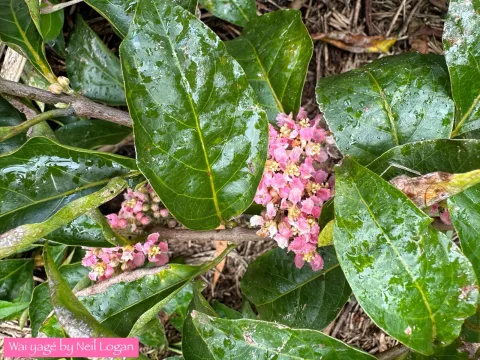
Tetrapteris
Tetrapteris
Tetrapteris is a genus of perennial woody vines belonging to the Malpighiaceae family. These plants are primarily native to the tropical forests of Central and South America, where they thrive in warm and humid environments.
What the section contains
Tetrapteris
Botanically, Tetrapteris is characterized by its opposite leaves and unique winged fruits, which feature four distinct, wing-like outgrowths. As a climbing plant, it requires sturdy support systems to expand its foliage and reach sunlight in its native habitat.
The plant demands a consistent tropical climate to flourish, characterized by high temperatures and high relative humidity. In non-tropical regions, it is strictly an indoor or greenhouse plant that cannot survive freezing temperatures.
Optimal growth requires a well-draining, loose soil mixture rich in organic matter. Maintaining a slightly acidic to neutral pH is essential for nutrient absorption, while ensuring the root zone does not become waterlogged is critical to plant health.
Agricultural management involves regular watering during the active growing season and sufficient indirect sunlight. Propagation is typically achieved through stem cuttings, requiring high humidity and steady warmth to successfully develop a root system.
Indoors, the most common pests affecting Tetrapteris are spider mites and scale insects. These pests thrive in dry environments and can quickly damage the foliage if not managed with regular misting and biological control.
Fungal root diseases are a major threat, usually resulting from overwatering or poorly aerated soil substrates. Once root rot takes hold, it is extremely difficult to reverse the damage, necessitating careful moisture management.
Powdery mildew may occur on the leaf surfaces if there is poor air circulation around the vine. Providing fans or adequate spacing between plants helps to reduce humidity buildup around the leaves and prevent infections.
Nutrient deficiencies, particularly chlorosis, can occur if the plant is grown in containers for long periods without fertilization. Balanced feeding with chelated micronutrients is recommended to maintain the green intensity of the leaves.
It is important to monitor the vine for any yellowing or stunted growth, as these are often the first signs of stress from environmental factors or hidden pests that require immediate corrective action.