
Stigmaphyllon convolvulifolium
Stigmaphyllon convolvulifolium
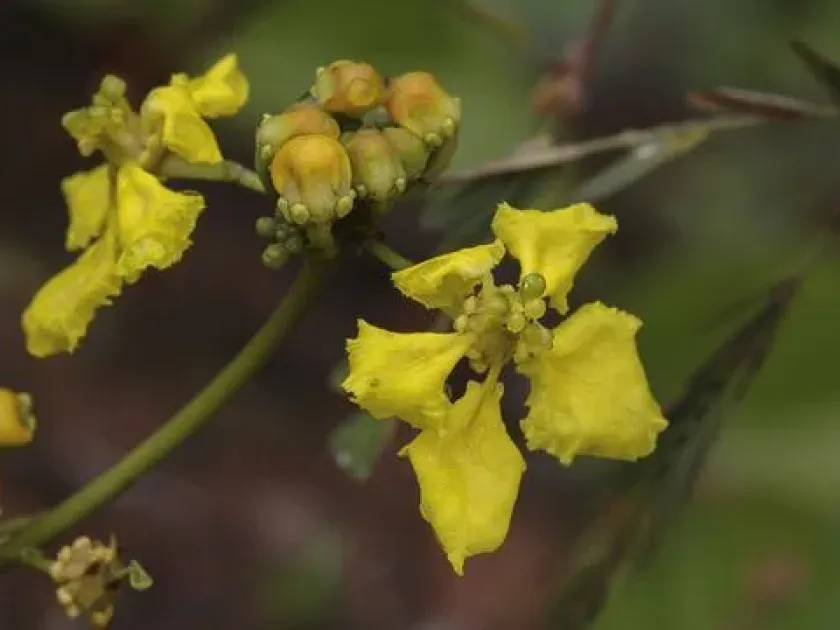
Description
Growing requirements
Stigmaphyllon convolvulifolium belongs to the Malpighiaceae family and is recognized as a vigorous, climbing evergreen vine native to tropical regions of South America. It is prized for its bright yellow flowers and distinct, convolvulus-like foliage.
The plant thrives in warm, humid climates, requiring consistent temperatures throughout the year to maintain its active vegetative growth. It performs best in full sun to partial shade settings, provided it is protected from scorching midday heat.
Soil requirements focus on high organic content and excellent drainage. A slightly acidic to neutral substrate pH is ideal for nutrient uptake. Waterlogging must be strictly avoided, as the root system is highly prone to rot in anaerobic conditions.
Agricultural techniques involve providing sturdy vertical supports, such as trellises or wires, as the plant is a prolific climber. Regular pruning is necessary to maintain shape and encourage blooming, especially in smaller garden spaces.
Fertilization should be handled carefully during the growing season with a balanced, slow-release fertilizer. Over-fertilization can lead to excessive leaf growth at the expense of flowering, so moderate application is recommended.
Main diseases and pests
Typical pests affecting this species include spider mites, which thrive in dry air, and mealybugs that congregate in the leaf axils. Implementing a consistent leaf-cleaning routine can significantly reduce pest pressure.
Root rot caused by Phytophthora or Pythium species is the most significant disease threat to the plant. This is usually the result of overwatering or inadequate soil aeration, leading to rapid decline of the vine.
Fungal leaf spots can occur when foliage remains wet for extended periods. Ensuring good airflow around the plant helps minimize the presence of moisture and inhibits the development of fungal spores.
Careful monitoring is essential, particularly when the plant is kept in greenhouse conditions. Any signs of wilting or discoloration should be investigated immediately to prevent the spread of the infection.
Integrated pest management strategies are preferred, utilizing beneficial insects to control aphid and mite populations while maintaining the overall health and safety of the plant environment.