
Stigmaphyllon sagraeanum
Stigmaphyllon sagraeanum
Description
Growing requirements
Stigmaphyllon sagraeanum is an evergreen woody vine belonging to the Malpighiaceae family. Originating from Cuba and the Bahamas, this species is highly valued in horticulture for its vibrant yellow flowers and unique climbing habit.
This crop thrives in tropical and subtropical environments where temperatures remain consistent throughout the year. It requires high levels of atmospheric humidity and protection from cold winds, making it suitable for conservatory or greenhouse production in cooler latitudes.
The ideal growing medium is a well-draining, nutrient-rich soil with a slightly acidic pH level. Incorporating organic matter into the substrate helps maintain the moisture levels necessary for robust vegetative growth while preventing root stagnation.
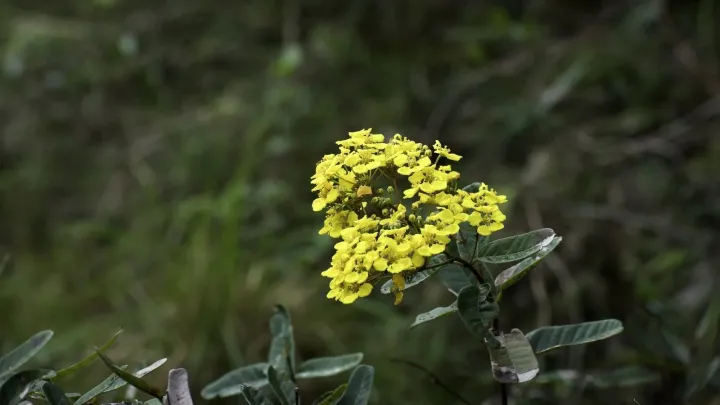
Botanically, the plant is characterized by its opposite, often cordate-shaped leaves and distinct yellow blossoms arranged in umbels. It grows vigorously during the warmer months, necessitating the use of trellises or wires to support its climbing nature.
Cultivation practices involve regular fertilization using a balanced liquid feed during the flowering season to sustain blooming. Pruning is essential to manage the size of the plant and encourage denser branching, which leads to a more profuse floral display.
Main diseases and pests
The primary pests affecting Stigmaphyllon sagraeanum in controlled environments include spider mites and mealybugs. These insects thrive in warm, dry conditions, making regular inspection of leaf undersides and nodes critical for early detection.
Fungal issues, such as root rot, are typically associated with poor soil drainage and over-irrigation. To mitigate these threats, producers must ensure that the substrate is allowed to partially dry between watering cycles and that the growing area remains well-ventilated.