
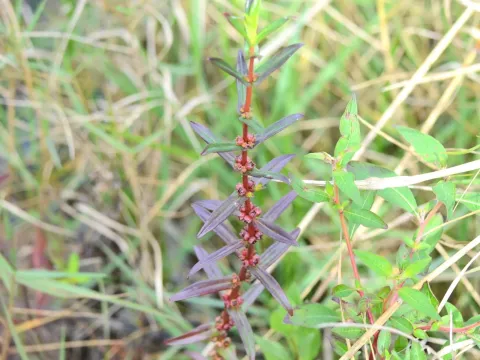
Hydrolythrum
Hydrolythrum
Sowing Hydrolythrum under agricultural conditions requires strict adherence to soil temperature regimes, as seeds are sensitive to early spring frosts.
What the section contains

Hydrolythrum
The optimal period for sowing is when the soil warms up to 12-15 degrees Celsius, which usually corresponds to mid-May in temperate latitudes.
It is recommended to use strip sowing with row spacing of up to 45 centimeters, providing optimal nutritional space for each individual plant.
The seed planting depth should not exceed 2-3 centimeters, as the small-seeded structure of the crop requires shallow placement for effective germination.
After sowing, it is necessary to roll the soil to improve contact between seeds and capillary moisture, which is critical for uniform emergence.
The crop belongs to the Lythraceae family and has high requirements for moisture levels throughout the entire vegetative period.
Best results are achieved when cultivated on well-drained but loamy soils with a neutral or slightly acidic pH level.
Hydrolythrum prefers areas with good natural light, as shading leads to a sharp decrease in photosynthesis intensity and slows down growth.
The temperature optimum for vegetative mass development is between 20-25 degrees Celsius, though the plant can withstand short-term temperature fluctuations.
Constant monitoring of groundwater levels is a mandatory agronomic measure, as water stagnation can lead to root rot.
The potential yield of this crop depends directly on plant density per unit area and the level of mineral nutrition provided.
When all regulations for applying nitrogen-phosphorus fertilizers are followed, average yields reach commercially significant volumes for the industry.
An important factor for increasing productivity is timely weeding, as Hydrolythrum is extremely vulnerable to weed competition during early stages.
Harvesting is carried out in the phase of full maturity, when the seeds acquire their characteristic color and the overall moisture of the plant tissue decreases.
The use of modern combine harvesters with minimal threshing drum gaps allows for minimized grain loss during the harvesting process.
Major threats include specific aphid species that damage young shoots and are capable of transmitting viral diseases.
Fungal infections occurring under conditions of excessive humidity require the application of preventive fungicides at the beginning of the growing season.
Regular monitoring of the crops for the presence of leaf-eating insects that damage the marketability of the crop is necessary.
Weeds are the main competitors for nutrients, so the protection strategy is based on early application of selective herbicides.
Adherence to crop rotation is the best way to prevent the accumulation of soil pathogens specific to this plant family.
Technical maturity is determined by the color change of the stem and the drying of the lower part of the plant, signaling readiness for harvesting.
To prevent seed shattering, it is recommended to conduct harvesting during morning or evening hours at moderate air humidity.
Post-harvest processing includes mandatory drying of the grain mass to baseline moisture levels, which ensures long-term storage.
Storage of the harvested crop requires conditions with active ventilation to prevent overheating and the development of mold fungi in the bulk.
Cleaning the crop from organic impurities at the initial stages allows for a significant increase in the grade and market value of the finished product.