
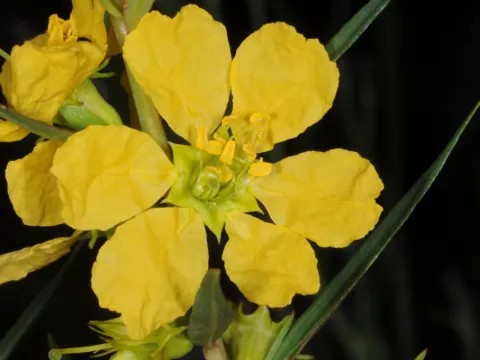
Heimia
Heimia
Heimia seeds are minute and require a specific approach for successful germination. Sowing is best performed in early spring by scattering seeds onto a moist, finely prepared surface without covering them deeply.
What the section contains


Heimia
Maintaining a consistent environment is crucial for seed development. A temperature range of 20–25 degrees Celsius and high humidity levels are essential to trigger germination effectively.
Using a seed starter tray with a transparent cover helps keep the humidity high during the initial phase. Once seedlings develop two true leaves, they should be thinned or transplanted into individual containers.
Transitioning seedlings to an outdoor location should occur only after the danger of frost has passed. Gradual acclimatization is necessary to prevent transplant shock in young plants.
The optimal spacing for established plants is about 50–70 centimeters apart, allowing for adequate airflow and preventing the spread of fungal issues as the plant matures into a bush.
As a member of the Lythraceae family, Heimia thrives in locations with full sun exposure. Sunlight is essential for the plant to develop its full physiological potential and active constituents.
The soil should be well-drained and relatively fertile. While the plant is somewhat adaptable, it performs best in sandy or loamy soil types that prevent water from pooling around the root zone.
Consistent watering is necessary throughout the growing season, especially during hot, dry spells. Despite its resilience, the plant should not be allowed to dry out completely for long periods.
Optimal growth occurs at temperatures between 22 and 28 degrees Celsius. The plant is sensitive to cold, and any significant drop in temperature will lead to dormancy or plant death in sensitive varieties.
Regular fertilization with a balanced nitrogen-phosphorus-potassium mix during the active vegetative growth phase significantly boosts biomass production and plant health.
The primary harvest for Heimia consists of the leaves and tender stems. These parts are typically gathered for further processing when the plant is at its peak physiological state.
The best time to harvest is during the flowering stage, as this is when the secondary metabolites within the leaves are at their highest concentration, ensuring optimal quality of the yield.
Plants are harvested by cutting the stems back, which stimulates the plant to produce new, vigorous lateral shoots. This regeneration allows for multiple harvests in a single season.
Post-harvest handling requires careful drying in a shaded, well-ventilated area. High temperatures should be avoided during drying to maintain the integrity of the delicate chemical compounds.
The final yield quality depends on storage conditions. The dried product should be kept in airtight containers in a cool, dark environment to preserve its properties for long-term use.
Common pests include spider mites and aphids, which are particularly prevalent during dry periods. These pests can rapidly weaken the plant by feeding on the sap of young, tender growth.
Fungal pathogens such as root rot are a major threat, usually resulting from over-irrigation or poor soil drainage. Ensuring that the substrate remains airy is the best way to prevent these issues.
Powdery mildew can occur in areas with poor airflow and high humidity. Maintaining proper plant spacing helps reduce the likelihood of this fungal infection spreading throughout the crop.
Regular monitoring of the leaves and stems is essential for early pest detection. Integrated pest management, involving the use of mild soaps or horticultural oils, can effectively control infestations.
Clean cultivation practices, including the removal of debris from the base of the plants, are highly effective in reducing the habitat for pests and pathogens in the garden plot.