
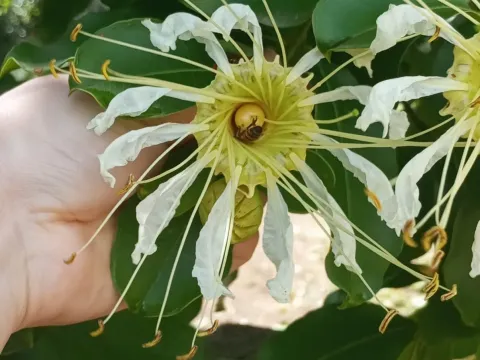
Lafoensia
Lafoensia
Lafoensia is a genus of trees and shrubs belonging to the Lythraceae family. Native to tropical regions of Central and South America, these plants are well-adapted to warm, humid environments where they often serve as canopy or understory species.
What the section contains


Lafoensia
The cultivation of Lafoensia requires strict attention to climate conditions, as the plant thrives best in tropical zones without frost. It demands high light exposure to maintain healthy foliage and to support the profuse flowering characteristic of the genus.
Soil requirements focus on fertility and, most importantly, superior drainage. While the plant appreciates moisture, it cannot withstand waterlogged conditions, which can lead to root decay. Sandy loams or well-structured volcanic soils are considered ideal.
Agrotechnical management includes regular monitoring of soil moisture and nutrient levels. During the active growth phase, balanced fertilization helps promote vegetative vigor and improves the structural integrity of the branches, which is essential for ornamental use.
Host use of Lafoensia is multifaceted, ranging from high-end landscape architecture to potential timber production. Its aesthetic appeal during the blooming season makes it a highly sought-after specimen tree for botanical gardens and tropical landscaping.
Disease management in Lafoensia plantations is primarily focused on controlling fungal pathogens that thrive in high-humidity tropical conditions. Proper tree spacing is essential to ensure adequate airflow within the canopy to prevent such outbreaks.
Insect pests, such as various scales and aphids, are known to target new growth. Integrated pest management strategies, involving both biological control agents and targeted systemic treatments, are recommended to maintain the health of the specimens.