
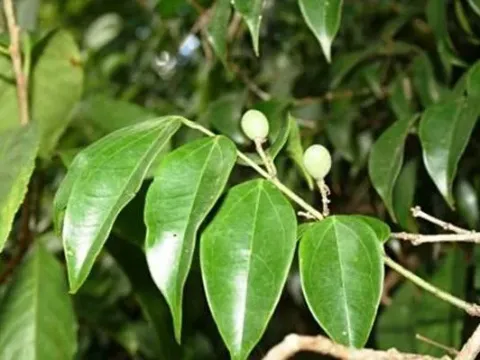
Strychnos mellodora
Strychnos mellodora
Strychnos mellodora is a distinct woody plant species belonging to the family Loganiaceae. It is primarily native to the tropical regions of Eastern and Southern Africa, showcasing a strong adaptation to savanna-type ecosystems.
What the section contains
Strychnos mellodora
The tree thrives in well-drained soil conditions and is noted for its high resilience to drought periods, which are frequent in its native habitats across countries like Mozambique and Zimbabwe.
Botanically, it is characterized by glossy evergreen leaves and fruit that emit a sweet, honey-like fragrance. This sensory feature makes it easily identifiable within the dense tropical brush and forest margins.
There are no standardized industrial cultivation practices for this species, as it is largely harvested from wild populations under traditional land management systems.
The wood is highly valued locally for its hardness and durability, serving as a primary material for agricultural tools, tool handles, and sturdy construction posts in rural areas.
The primary threats to Strychnos mellodora populations include land clearing for agricultural expansion and the loss of habitat due to urbanization and infrastructure development.
Insect pests, particularly wood-boring beetles, can affect the physiological health of the tree, causing structural weakness in mature specimens when the bark is compromised.
Pathogenic fungi can colonize the vascular system of the tree if it suffers damage, potentially leading to timber rot and a significant reduction in wood quality.
Environmental degradation, such as soil erosion within its natural range, limits the ability of the species to establish new seedlings successfully in traditional areas.
Unsustainable harvesting of timber and non-timber forest products by local communities continues to place pressure on the remaining wild stands of the species.