
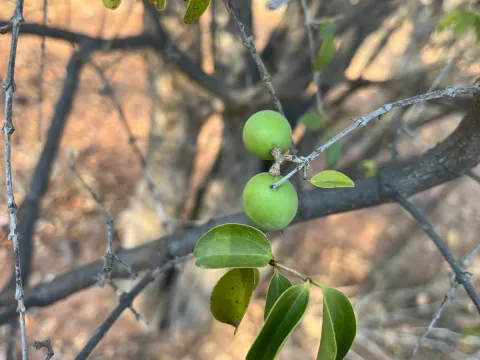
Strychnos decussata
Strychnos decussata
Strychnos decussata is a perennial tree species belonging to the Loganiaceae family, native to various regions in Africa. It is characterized by its ability to thrive in dry woodland and rocky environments.
What the section contains
Strychnos decussata
The plant requires well-drained soils to prevent root rot, as it is naturally adapted to porous soil structures. It thrives in locations with high levels of direct solar radiation and adequate air movement.
Climate requirements include warm temperatures throughout the year. It does not tolerate frost and prefers regions where seasonal patterns include a distinct dry period, which is essential for the reproductive cycle of the tree.
Agrotechnical management includes controlled irrigation during the initial stages of growth. Once established, the species is relatively drought-resistant, making it a sustainable choice for certain tropical agricultural models.
Economically, the species is valued for its dense, high-quality timber and historical significance in local traditional medicine systems due to its specific alkaloid content.
The primary threats include fungal infections affecting the roots and stems, which often occur when environmental humidity exceeds the optimal threshold for the species.
Insect pests, specifically foliage feeders and borers, can compromise the structural integrity of the tree if infestations are not managed early in the season.
Effective prevention involves proper spacing between trees to ensure adequate airflow and the implementation of regular health inspections throughout the growing season.
Invasive weed species can outcompete young Strychnos decussata trees for water and minerals, necessitating consistent weeding practices during the establishment phase.
Physical damage from wildlife grazing is a common issue in open-field settings, often requiring protective enclosures for young trees until they reach a safe height.