
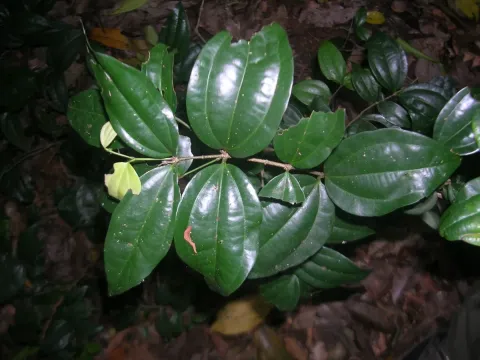
Strychnos minor
Strychnos minor
Strychnos minor is a distinct woody vine belonging to the Loganiaceae family, native to the tropical regions of Southeast Asia. This plant thrives in equatorial climates, typically found in rainforest ecosystems where humidity levels remain consistently high throughout the year, supporting the growth of evergreen climbing vegetation.
What the section contains
Strychnos minor
Cultivation of this species requires well-draining, nutrient-rich forest soil. The plants are highly dependent on organic matter availability and moderate moisture levels. In an agricultural setting, it is essential to provide vertical support structures, as the species naturally utilizes trees and other vegetation to reach canopy light.
Botanically, Strychnos minor exhibits coriaceous leaves that are resistant to heavy rainfall and mechanical damage. The growth cycle is continuous in its native environment, with the plant investing significant energy into developing a robust stem system capable of traversing long distances to secure stable anchor points.
The economic potential of Strychnos minor lies predominantly in the biochemical industry. The plant is historically valued for its secondary metabolites, including specific alkaloids that are harvested for pharmaceutical research. Due to these chemical components, the plant requires controlled handling and specialized processing techniques.
Successful management of the crop depends on maintaining a microclimate that mimics the understory of a tropical forest. Producers should focus on providing partial shade during early growth stages to prevent desiccation of tender foliage, gradually adjusting light exposure to stimulate maturity and structural integrity of the vines.
The primary pathological threats include fungal pathogens such as root rot and leaf spot, which proliferate rapidly if soil drainage is compromised. Improving air circulation within the plant canopy is the most effective preventative measure against these infections in high-humidity cultivation areas.
Pests, particularly aphids and scale insects, frequently target the succulent parts of the vine. Implementing integrated pest management (IPM) practices, such as encouraging natural predators or using botanical-based oil sprays, helps maintain the health of the plants without damaging the sensitive ecological balance of the plantation.