
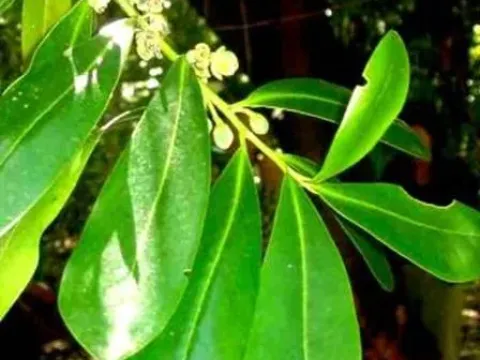
Strychnos mitis
Strychnos mitis
Strychnos mitis is a prominent evergreen tree species belonging to the Loganiaceae family. Native to the diverse landscapes of Africa, it thrives primarily in lowland and montane tropical forests where the ecosystem provides consistent moisture.
What the section contains
Strychnos mitis
The species prefers deep, nutrient-rich soils that offer excellent drainage. While it is adaptable to various soil types, the highest growth rates are observed in areas where the soil profile remains permeable and avoids waterlogging during heavy rainfall.
Climatic requirements are specific to tropical conditions, necessitating warm temperatures throughout the year. It does not possess significant frost tolerance, making it restricted to frost-free latitudes or protected botanical environments.
Light intensity is a critical factor for development. Young saplings are known for their tolerance to shade, allowing them to establish themselves under the canopy, while mature trees require direct access to sunlight to achieve their full vertical height.
Consistent rainfall patterns or supplemental irrigation are essential for maintaining optimal health. The plant exhibits structural adaptations that allow it to manage water efficiently, provided the root zone remains undisturbed.
The primary economic application of Strychnos mitis lies in its high-quality timber. The wood is dense, durable, and highly valued by local craftsmen for making tool handles, cabinetry, and structural components that require resistance to mechanical stress.
In addition to timber production, the tree serves a vital function in ecological restoration. Its canopy provides a habitat for various insect species, and its fruits serve as a food source for a wide array of tropical forest fauna.
Sustainable harvesting practices are essential for managing Strychnos mitis populations. Selective logging methods are preferred to ensure that the surrounding forest structure remains intact and that natural regeneration can occur.
Some botanical studies suggest that parts of the plant have been utilized in traditional herbal practices, though caution is strictly advised due to the complex chemical compounds often found within the Strychnos genus.
Future management of this species likely involves integrating it into agroforestry systems, where it can provide both economic value through timber and environmental benefits, such as soil stabilization and carbon sequestration.