
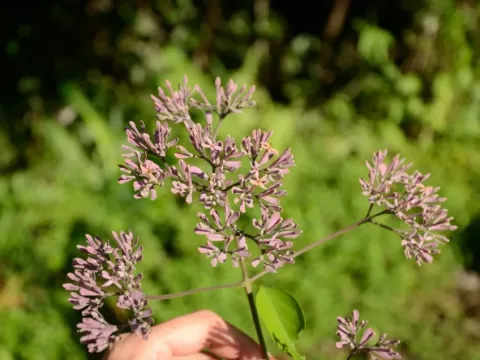
Usteria
Usteria
Usteria is a genus of woody plants belonging to the Loganiaceae family. The most prominent species, Usteria guineensis, is native to the tropical forests of West and Central Africa, where it thrives in warm and humid ecological niches.
What the section contains

Usteria
The plant requires a stable tropical climate characterized by consistently high temperatures and abundant rainfall throughout the year. It prefers well-drained, nutrient-rich forest soils that provide the necessary moisture retention while maintaining sufficient aeration for the roots to prevent decay.
Botanically, Usteria is distinguished by its opposite leaf arrangement and unique floral structure, often featuring specialized tubular flowers. As a woody shrub or climber, it has adapted to the competitive environment of the tropical forest floor and lower canopy layers, seeking filtered light.
In terms of agricultural and practical use, Usteria is not typically grown as a mass-market crop. Instead, its significance lies within botanical research and the study of phytochemicals found within the Loganiaceae family, which are known to contain various specialized secondary metabolites.
Cultivation in controlled environments requires meticulous attention to humidity levels and shading. Because it is highly sensitive to cold stress and desiccation, greenhouse managers must ensure a consistent microclimate that mimics the tropical forest ecosystem, avoiding direct exposure to intense midday sun.