
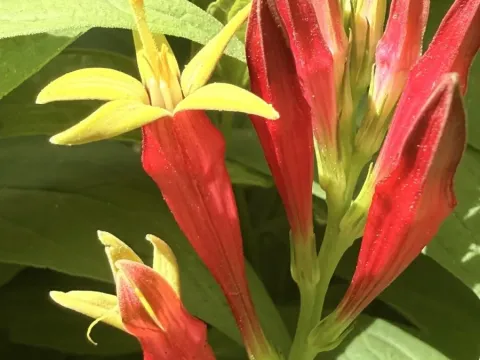
Spigelia
Spigelia L.
Spigelia, primarily represented by the species Spigelia marilandica, is a perennial herbaceous plant that requires specific propagation conditions. The most effective method is autumn sowing, which subjects the seeds to a necessary period of natural stratification, simulating their native environment.
What the section contains

Spigelia
Seeds should be sown on the surface of a high-quality, moist substrate and lightly pressed down without being buried deeply. Consistent humidity is crucial throughout the germination process, which can take several weeks, requiring patience and stable temperature control.
Vegetative propagation via root division is a preferred professional method for expanding plantings. This process is best performed in early spring as new growth begins to emerge, ensuring that the divisions have sufficient time to establish a robust root system before the onset of summer.
When transplanting, maintain a spacing of at least 30 to 40 centimeters between plants to prevent competition for nutrients and water. Proper planning of the layout ensures optimal airflow, which is a key factor in preventing fungal issues in denser plantings.
New plantings demand careful irrigation during their first year. The use of mulch, such as pine needles or organic compost, is highly recommended to protect the root zone from moisture loss and extreme temperature fluctuations.
As a member of the Loganiaceae family, Spigelia is adapted to temperate and subtropical climates. It thrives best in partial shade, mimicking the forest edges where it occurs naturally, and avoids locations with intense midday sun that can scorch the foliage.
The soil must be rich in organic matter and possess excellent drainage capabilities. A slightly acidic to neutral pH is ideal, and heavy clay soils should be amended with organic compost and coarse sand to ensure oxygen reaches the root system effectively.
This plant requires a consistent supply of moisture but does not tolerate standing water. During the peak of the growing season, regular watering is essential to prevent wilting, while in dormant winter months, it is critical to ensure the soil does not become waterlogged.
Fertilization should be managed conservatively; an annual application of organic fertilizer in early spring is usually sufficient. Over-fertilization can lead to weak, elongated growth and make the plant more susceptible to pests and disease.
In colder regions, protecting the crown of the plant with a layer of insulating material during winter helps survive frost. Proper site selection, away from frost pockets and windswept areas, significantly increases the longevity of the plantings.
Spigelia is naturally hardy, yet it can be susceptible to specific environmental stresses. Root rot is the most common threat, primarily triggered by poor soil drainage and excessive moisture, necessitating regular monitoring of soil texture and water runoff patterns.
Powdery mildew may occur if air circulation is inadequate or if humidity levels remain high for extended periods. Pruning surrounding vegetation to improve airflow and avoiding overhead irrigation can significantly mitigate the risk of fungal development.
Common pests like aphids and spider mites may occasionally affect the foliage, particularly in dry conditions. Integrated pest management, including the use of horticultural soaps or biological control agents, is effective if outbreaks are detected early.
Slugs and snails can cause significant damage to young shoots in the spring. Implementing physical barriers, such as copper tape or gravel rings, provides a sustainable solution for protecting new growth without relying on harsh chemicals.
To ensure long-term health, growers should practice systematic site sanitation, removing all diseased plant debris at the end of the season to prevent the overwintering of pathogens that could affect the next year's crop.
The harvest of Spigelia is primarily aimed at collecting roots for medicinal purposes. Harvesting should occur during the plant's dormancy in late autumn, once the foliage has faded, as this is when the secondary metabolites are most concentrated in the rhizomes.
Careful excavation using manual tools is required to minimize damage to the root system. Once harvested, the rhizomes must be cleaned thoroughly of soil using cool water and then inspected to ensure only healthy material is processed.
Drying is a critical phase of production. The roots should be spread in a single layer in a shaded, well-ventilated area with temperatures kept strictly below 45 degrees Celsius to preserve the integrity of the active alkaloids.
Storage of the finished product requires airtight containers kept in a cool, dark environment. This prevents oxidative degradation and protects the material from potential moisture contamination, extending its shelf life significantly.
Beyond its traditional medical uses, Spigelia is increasingly valued for its ornamental potential. Its striking, tubular red flowers with yellow throats make it a highly desirable candidate for shade-loving garden displays and specialized plant collections.