
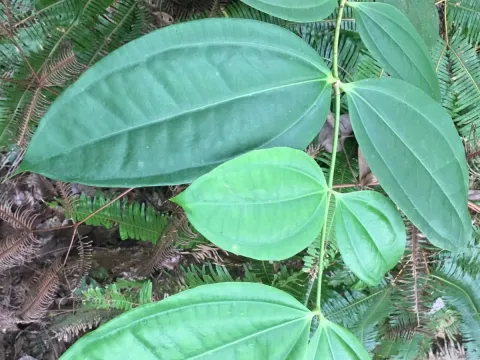
St. Ignatius bean
Strychnos ignatii
Strychnos ignatii, commonly known as St. Ignatius bean, is an evergreen tree or woody vine belonging to the Loganiaceae family. It is native to the tropical regions of Southeast Asia, specifically found in the dense forests of the Philippines.
What the section contains
St. Ignatius bean
This species thrives in a strictly tropical climate, requiring high humidity and stable temperatures throughout the year. It does not tolerate cold drafts or temperatures below 15-18 degrees Celsius, making open-field cultivation impossible in temperate zones.
The ideal soil conditions for this culture involve well-drained, nutrient-rich substrates that mimic the natural forest floor. Soil must remain moist but not waterlogged, as poor drainage is a primary cause of root system failure in this species.
Agronomic management is specialized due to the extreme toxicity of the seeds, which contain high levels of strychnine and brucine. Care must be taken when harvesting the fruit to avoid direct contact and exposure to the alkaloids.
The plant has significant value in traditional medicine and modern pharmacology. The seeds are primarily harvested for the extraction of specific chemical compounds used in the synthesis of neurological medications, requiring strictly controlled processing facilities.
The primary threats to St. Ignatius bean in the wild are fungal infections triggered by constant moisture and poor airflow. These pathogens can cause significant damage to the plant's vascular system, leading to wilt.
Insect pests such as leaf miners and specialized sap-sucking beetles may infest the foliage. While the plant possesses natural chemical defenses, localized damage can occur during the dry season when insects are most active.
Root rot is a constant risk if the drainage is insufficient. In crowded forest settings, the spread of subterranean pathogens can be rapid, requiring monitoring of the root zone health during the peak growing season.
Viral diseases affecting tropical woody plants can manifest as leaf chlorosis or stunted shoot growth. These infections are often transmitted by insect vectors and require integrated pest management strategies to control.
Mechanical damage to the bark, caused by weather events or animal movement, can create entry points for secondary bacterial invaders. Protecting the structural integrity of the main trunk is essential for the long-term survival of the tree.