
Spigelia hybrids
Spigelia hybrids
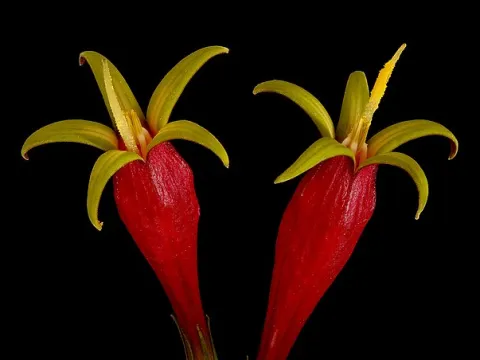
Spigelia hybrids belong to the Loganiaceae family and are highly valued in ornamental horticulture for their vibrant, tubular flowers. These perennials are popular among gardeners who seek to attract hummingbirds and pollinators to woodland-style garden settings.
What the section contains
Spigelia hybrids
The native range of the genus is primarily in North America, where plants thrive in rich, shaded woodland soil. Their biological adaptation to partial shade makes them an excellent choice for areas of the garden that do not receive intense, direct, all-day sunlight.
To cultivate Spigelia successfully, one must provide moist, well-draining soil that is rich in organic matter. Unlike many other garden flowers, they dislike both waterlogged conditions and extreme drought, requiring a balanced approach to irrigation and soil preparation.
Climate requirements include protection from severe, drying winds and excessive summer heat. In warmer regions, it is essential to apply a layer of organic mulch to keep the root system cool, mimicking the natural leaf litter found in their native forest habitats.
The primary use of Spigelia hybrids is aesthetic and landscape design. They are often planted in shade borders or naturalized garden areas where they can provide long-lasting color without requiring intensive maintenance once established in the correct microclimate.
The most common disease threats for Spigelia hybrids involve fungal pathogens such as root rot and leaf spot. These issues typically emerge when air circulation is poor or soil moisture levels exceed the plant's capacity for transpiration during humid periods.
Pest management focuses primarily on controlling slugs and aphids, which target the soft, succulent foliage of new growths. Regular inspection of the garden bed and the use of natural predators or organic horticultural soaps are the standard methods to keep pest populations at bay.