
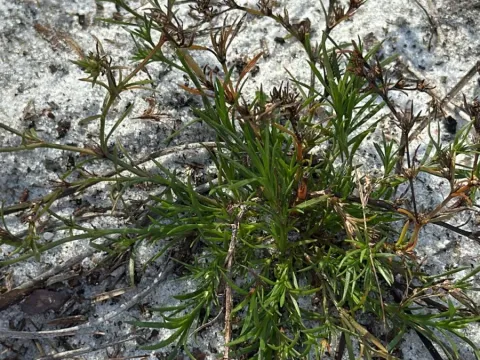
Polypremum
Polypremum
Polypremum (Polypremum procumbens) is a herbaceous plant belonging to the Theligonaceae family, known for its creeping habit and adaptability to various environmental stressors. While often classified as a weed in many agricultural systems, its biological characteristics are of interest to botanists and agronomists.
What the section contains
Polypremum
Native to the Americas, ranging from the southern United States through Central America and into South America, this plant thrives in warm, temperate climates. It is typically found in disturbed areas, sandy soils, and roadside habitats, demonstrating significant resilience.
The morphology of Polypremum is characterized by a low-growing, highly branched stem system with small, opposite leaves. The flowers are tiny and white, appearing primarily during the peak of the growing season when environmental conditions are favorable.
The plant requires well-drained, sandy to loamy soils to reach its full potential. It prefers full sun exposure and is highly efficient at utilizing available moisture, making it drought-tolerant compared to many other herbaceous species in the same habitat.
In terms of agricultural utility, Polypremum is not a major crop, but it can serve as a ground cover plant in specific erosion-control projects or as a part of natural restoration initiatives for degraded sandy soils.
Fungal diseases are the primary threat to Polypremum, especially when the plant is grown in areas with poor airflow and high humidity. Foliar spots and root rot are common in waterlogged environments, significantly damaging the plant's health.
Pest pressures are generally low, but spider mites and aphids can become problematic during extreme heat or dry spells, as these conditions weaken the plant and make it more susceptible to sap-sucking insects.
Managing Polypremum as a weed requires proactive agricultural practices, including mechanical cultivation to disrupt the root system and the application of targeted herbicides that effectively control broad-leaved plant species.
Prevention involves maintaining optimal plant spacing and ensuring that water does not pool around the base of the plant. Proper soil management and effective drainage are critical to minimizing the risk of infection.
Because the plant contains specific secondary metabolites, it is often avoided by generalist herbivores, which gives it a competitive edge in its natural environment but also makes it persistent when established in unwanted areas.