
Mitrasacme
Mitrasacme
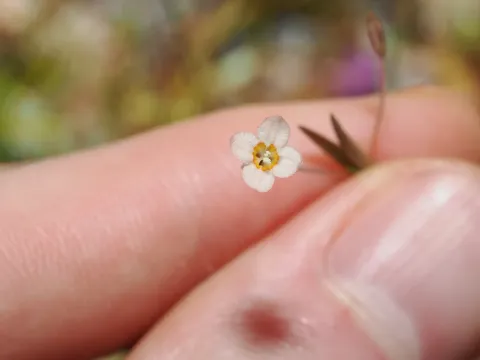
The genus Mitrasacme belongs to the Loganiaceae family and consists of various herbaceous species primarily found in tropical and subtropical regions. These plants are recognized for their small, often inconspicuous flowers and distinct seed capsule shapes, which gave the genus its name.
What the section contains


Mitrasacme
Their natural habitat is largely concentrated in Australia and parts of Southeast Asia. They typically thrive in moist, sunny environments such as heathlands, wetlands, or open grassy areas, where they can compete with other low-growing vegetation for nutrients and light.
Regarding cultivation requirements, Mitrasacme plants demand a high-humidity environment and consistent warmth. They are not frost-hardy and must be kept in controlled environments if grown outside their native range, as they lack mechanisms to survive freezing temperatures.
The soil structure should be porous, allowing for excellent drainage while maintaining moderate moisture levels. They often prefer substrates that are somewhat acidic, mimicking the natural conditions of their native, nutrient-poor landscapes where they have evolved to succeed.
In terms of human use, Mitrasacme is not classified as an agricultural crop. It holds no value for food production, fiber, or large-scale industry. Its primary significance is purely botanical, serving as a subject for biodiversity studies and rare plant conservation efforts in specialized gardens.