
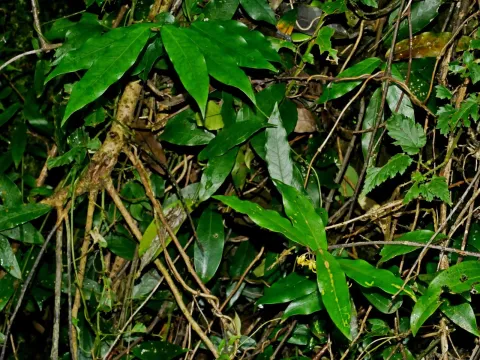
Gardneria
Gardneria
Gardneria is a genus of evergreen woody climbers belonging to the Loganiaceae family. These plants are native to the tropical and subtropical regions of Southeast and East Asia, thriving in forest environments where they can climb using their robust stems.
What the section contains


Gardneria
The botanical structure of Gardneria features opposite leaves and distinct flowers with twisted corollas. The plant is particularly noted for its ornamental berries, which often turn bright red or orange as they mature, adding significant visual appeal to the plant.
Successful cultivation requires a climate that mimics its natural habitat, emphasizing high humidity and protection from extreme temperatures. While tolerant of various conditions, Gardneria performs best in partially shaded locations where it is shielded from scorching sunlight.
The ideal soil for this crop is a well-drained, nutrient-rich potting mix with a slightly acidic to neutral pH. Proper soil structure is essential to prevent waterlogging, which the plant is highly sensitive to, especially during its dormant winter season.
In terms of agricultural and horticultural use, Gardneria is predominantly utilized as an ornamental vine for vertical gardening. It is frequently employed in conservatories, botanical gardens, and landscape designs to create lush green screens or cover structures.
Gardneria is susceptible to various fungal pathogens when kept in conditions with poor air circulation or excessive moisture. Root rot is the most common issue encountered by growers who do not provide adequate drainage in their containers or planting beds.
Common insect pests include spider mites and scale insects. These pests often thrive in environments where the air is too dry, necessitating consistent monitoring and the occasional use of specialized acaricides or horticultural oils for control.
Integrated pest management strategies are recommended to maintain the plant's health. This includes regular inspection of the undersides of the leaves and maintaining the surrounding environment to be less hospitable to common indoor and garden pests.
Sanitation practices such as removing dead foliage and pruning damaged branches are crucial steps in preventing the spread of diseases. A clean growing environment significantly reduces the pressure from fungal spores and overwintering pests.
Professional growers often utilize preventive fungicide applications during high-humidity periods. Balanced fertilization also plays a role in plant health, as vigorous growth helps the vine naturally resist minor pest infestations and environmental stressors.